

A Comprehensive Guide to Miniature Deep Groove Ball Bearing 608: Everything You Need to Know
Release time:
Aug 16,2026
A Comprehensive Guide to Miniature Deep Groove Ball Bearing 608
Table of Contents
- 1. Introduction to Miniature Deep Groove Ball Bearings
- 2. Understanding Deep Groove Ball Bearings
- 3. Key Features of Miniature Deep Groove Ball Bearing 608
- 4. Applications of Miniature Deep Groove Ball Bearing 608
- 5. How to Choose the Right Miniature Deep Groove Ball Bearing
- 6. Maintenance and Care for Miniature Deep Groove Ball Bearing 608
- 7. Common Issues and Troubleshooting
- 8. Conclusion
- 9. FAQs
1. Introduction to Miniature Deep Groove Ball Bearings
Miniature Deep Groove Ball Bearings are essential components in various machinery and equipment. Specifically, the **608 bearing** is a widely used variant in applications ranging from robotics to electric motors. Understanding these bearings can enhance performance and longevity in your projects. This guide delves into the specifics, helping beginners navigate the complexities of the Miniature Deep Groove Ball Bearing 608.
2. Understanding Deep Groove Ball Bearings
Deep groove ball bearings are characterized by their deep raceway grooves, which enable them to accommodate both radial and axial loads in a compact design. Due to their versatility, they are one of the most commonly used types of rolling bearings.
2.1 Structure and Components
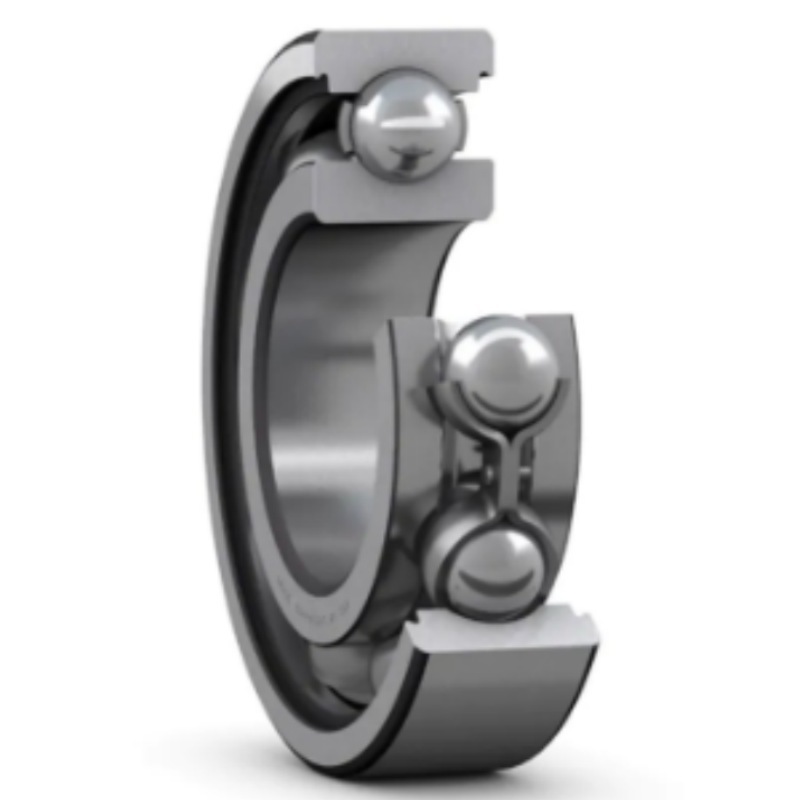
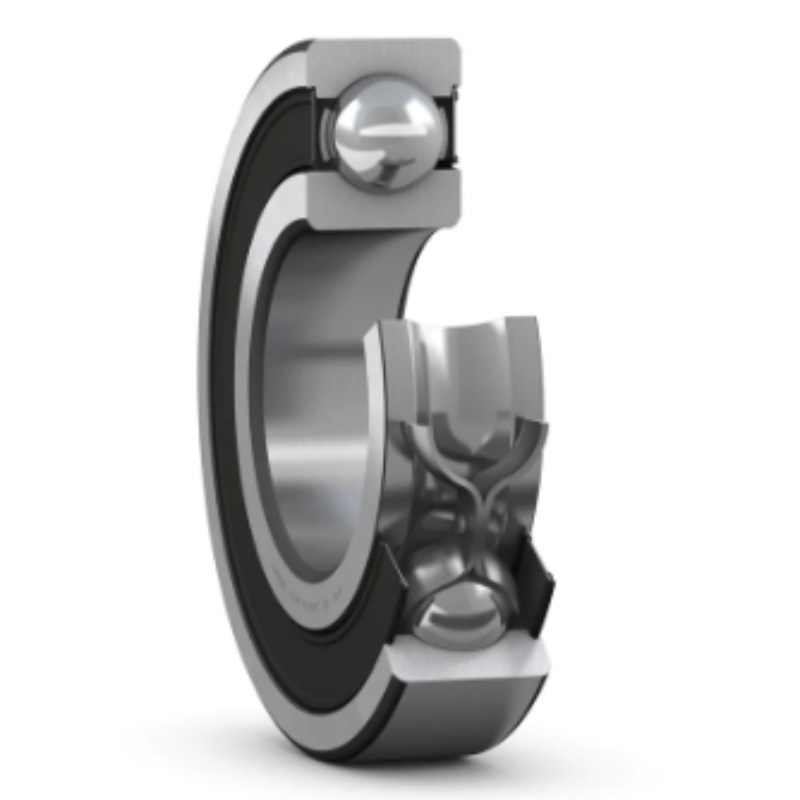
The typical structure of a deep groove ball bearing includes an inner ring, an outer ring, a set of balls, and a cage. The balls facilitate smooth rolling motion, while the cage keeps the balls evenly spaced.
2.2 Benefits of Deep Groove Ball Bearings
Using deep groove ball bearings comes with several advantages, such as:
- **High Load Capacity**: They can support both radial and axial loads efficiently.
- **Durability**: Made from high-quality materials, they exhibit excellent wear resistance.
- **Versatility**: Suitable for various applications, from automotive to industrial machinery.
3. Key Features of Miniature Deep Groove Ball Bearing 608
The Miniature Deep Groove Ball Bearing 608 is designed to meet specific performance criteria, making it ideal for various applications.
3.1 Dimensions and Specifications
The 608 bearing typically has the following specifications:
- **Outer Diameter**: 22 mm
- **Inner Diameter**: 7 mm
- **Width**: 9 mm
These dimensions make it relatively compact, allowing it to fit into tight spaces.
3.2 Materials Used
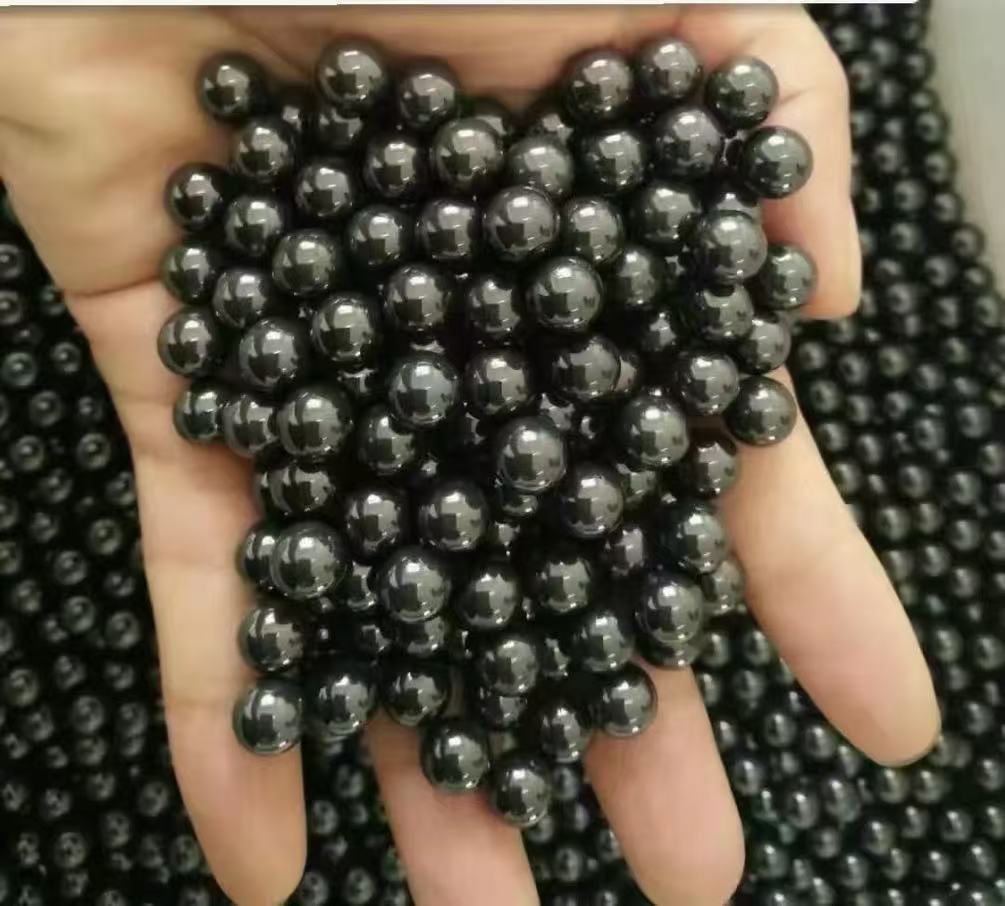
Common materials for the 608 bearing include stainless steel, chrome steel, and ceramic. Each material offers distinct benefits regarding corrosion resistance and weight.
3.3 Load Ratings
The Miniature Deep Groove Ball Bearing 608 is rated for substantial loads, designed to handle varying operational conditions effectively.
4. Applications of Miniature Deep Groove Ball Bearing 608
The versatility of the 608 bearing lends itself to a plethora of applications. Here are some common uses:
4.1 Electric Motors
In electric motors, the 608 bearing provides smooth operation and reduces friction, enhancing efficiency.
4.2 Robotics
Robots often use these bearings in joints and wheels, where precision and reliability are crucial.
4.3 Hobby Projects
For hobbyists, the 608 bearing is a popular choice in DIY projects involving drones, RC vehicles, and more.
5. How to Choose the Right Miniature Deep Groove Ball Bearing
Selecting the right miniature deep groove ball bearing requires careful consideration of several factors:
5.1 Load Requirements
Consider the types of loads the bearing will encounter. Ensure the bearing can handle both dynamic and static loads effectively.
5.2 Speed Ratings
Check the maximum operating speed of the bearing. Ensure it aligns with your application needs to prevent premature failure.
5.3 Environmental Conditions
Evaluate environmental factors such as temperature, humidity, and exposure to chemicals. Choose materials that offer the required resistance.
6. Maintenance and Care for Miniature Deep Groove Ball Bearing 608
Regular maintenance can significantly extend the life of Miniature Deep Groove Ball Bearing 608. Here are some essential tips:
6.1 Cleaning
Periodically clean the bearings using an appropriate solvent to remove contaminants. Ensure they are thoroughly dried before re-lubrication.
6.2 Lubrication
Proper lubrication is crucial for smooth operation. Use the correct type of lubricant based on the application.
6.3 Inspection
Regularly inspect the bearings for signs of wear or damage. Early detection can prevent major failures and downtime.
7. Common Issues and Troubleshooting
Understanding common issues can help in maintaining the performance of the 608 bearing.
7.1 Noise and Vibration
Excessive noise or vibration during operation may indicate misalignment or inadequate lubrication.
7.2 Overheating
If the bearing overheats, check for excessive load or inadequate lubrication. Address these issues promptly to avoid failure.
7.3 Corrosion
Corrosion can weaken the bearing. Ensure that it is made from corrosion-resistant materials, especially in humid environments.
8. Conclusion
Miniature Deep Groove Ball Bearing 608 is a vital component in many applications, offering efficiency and durability. By understanding its features, applications, and maintenance needs, users can maximize its performance and lifespan. This guide serves as a comprehensive resource for anyone looking to delve into the world of 608 bearings.
9. FAQs
9.1 What is the load capacity of Miniature Deep Groove Ball Bearing 608?
The load capacity varies depending on the manufacturer but generally supports substantial radial and axial loads.
9.2 Can I use the 608 bearing in high-temperature environments?
Yes, but ensure you select materials that can withstand high temperatures without degrading.
9.3 How often should I lubricate my 608 bearings?
Lubrication frequency depends on usage conditions, but it’s typically recommended every few months.
9.4 Are there different materials available for the 608 bearing?
Yes, common materials include stainless steel, chrome steel, and ceramic, each offering different benefits.
9.5 What are the signs that my 608 bearing needs to be replaced?
Signs include excessive noise, overheating, and visible wear. Regular inspection is key to early detection.
News



Products
Contact us
Mobile/WhatsApp: +86-15194016333
E-Mail: xql@hczbbearing.com
Add: 611-12, No.17 Xinzhu Road, Licheng District, Jinan City, Shandong Province, China


Messages