

Understanding Precision Steel Balls: G10 and G16 Specifications
Release time:
Dec 19,2025
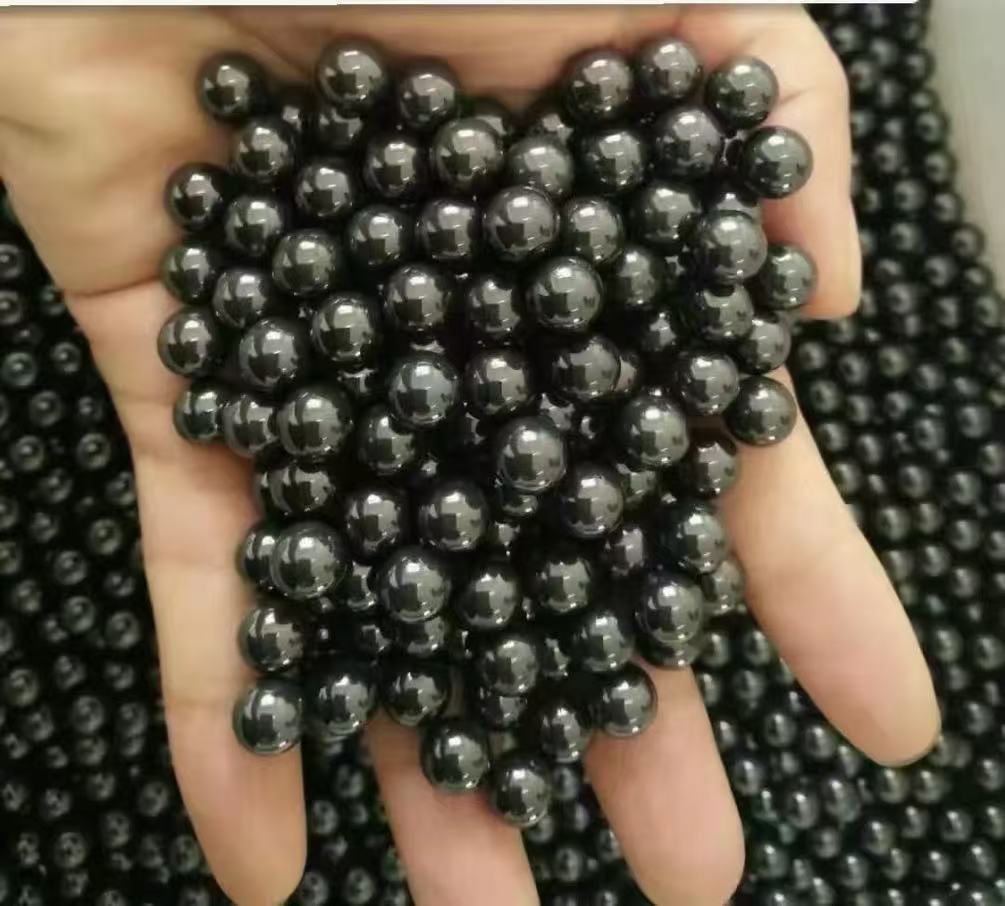
Precision steel balls, specifically those classified as G10 and G16, play a crucial role in various industrial applications, especially in the realm of bearings and their associated components. These steel balls are characterized by their dimensional accuracy and surface finish, which are essential for high-performance machinery.
G10 and G16 refer to the grade of the steel balls, with G10 indicating a higher level of precision than G16. The grade system is defined by the International Organization for Standardization (ISO), which ensures consistency in manufacturing and quality across different suppliers. The primary difference between these two grades lies in their tolerance levels. A G10 steel ball has a tolerance of ±0.01 mm, while a G16 ball has a tolerance of ±0.02 mm. This means that G10 balls are typically used in applications where tighter tolerances are essential, whereas G16 balls may be suitable for less demanding environments.
The material used for manufacturing precision steel balls is typically high-carbon chromium steel, known for its excellent hardness and wear resistance. The hardness of G10 and G16 balls is generally regulated to ensure durability and longevity. For instance, these balls are often subjected to heat treatment, which enhances their mechanical properties. This is critical for applications that involve high loads and rapid movements, such as in the automotive and aerospace industries.
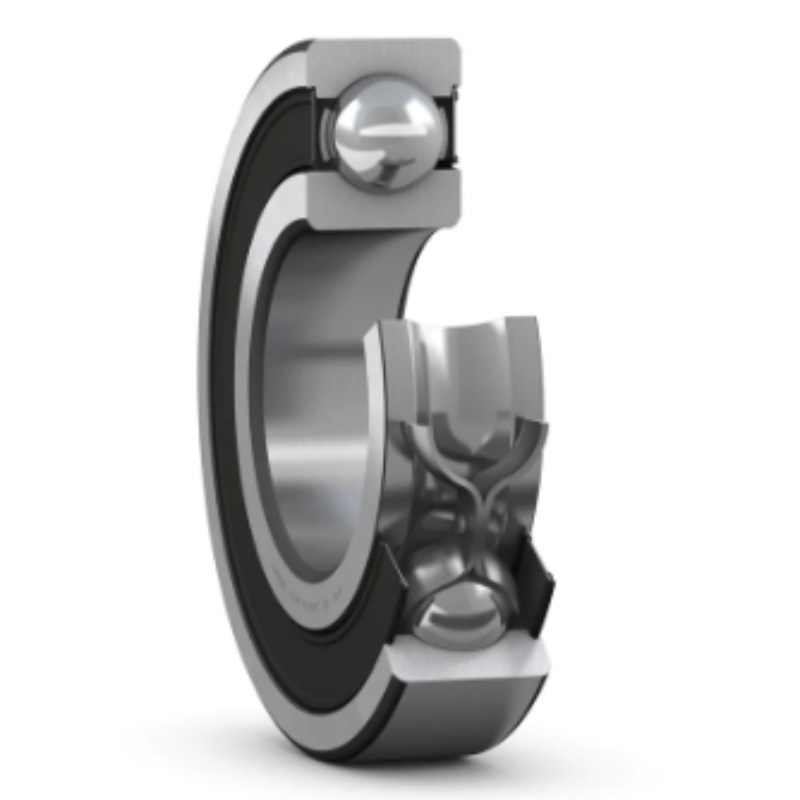
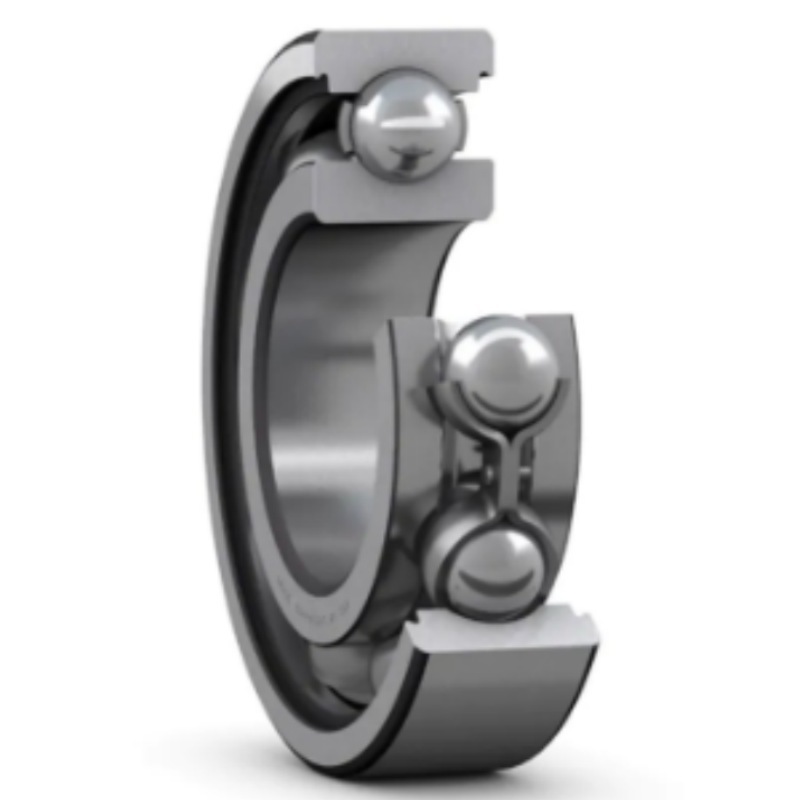
In terms of applications, precision steel balls are fundamental components in various mechanical devices, including ball bearings, linear bearings, and other motion systems. They minimize friction between moving parts, thereby enhancing efficiency and extending the lifespan of machinery. The choice between G10 and G16 steel balls largely depends on the specific requirements of the application. For instance, in high-speed applications where precision is paramount, G10 balls would be the preferred choice due to their superior tolerance.
Moreover, the surface finish of these steel balls is another important factor that influences their performance. A smoother surface reduces contact area, further minimizing friction and wear over time. This is particularly crucial in high-load applications where any additional resistance could lead to premature failure of the components.
In conclusion, precision steel balls, particularly G10 and G16 grades, are vital for ensuring the efficient operation of various industrial equipment. Understanding their specifications, material properties, and applications helps industries select the right components for their systems. The choice between G10 and G16 should be guided by the specific performance requirements of the machinery in question, ensuring optimal functionality and longevity.
G10 and G16 refer to the grade of the steel balls, with G10 indicating a higher level of precision than G16. The grade system is defined by the International Organization for Standardization (ISO), which ensures consistency in manufacturing and quality across different suppliers. The primary difference between these two grades lies in their tolerance levels. A G10 steel ball has a tolerance of ±0.01 mm, while a G16 ball has a tolerance of ±0.02 mm. This means that G10 balls are typically used in applications where tighter tolerances are essential, whereas G16 balls may be suitable for less demanding environments.
The material used for manufacturing precision steel balls is typically high-carbon chromium steel, known for its excellent hardness and wear resistance. The hardness of G10 and G16 balls is generally regulated to ensure durability and longevity. For instance, these balls are often subjected to heat treatment, which enhances their mechanical properties. This is critical for applications that involve high loads and rapid movements, such as in the automotive and aerospace industries.
In terms of applications, precision steel balls are fundamental components in various mechanical devices, including ball bearings, linear bearings, and other motion systems. They minimize friction between moving parts, thereby enhancing efficiency and extending the lifespan of machinery. The choice between G10 and G16 steel balls largely depends on the specific requirements of the application. For instance, in high-speed applications where precision is paramount, G10 balls would be the preferred choice due to their superior tolerance.
Moreover, the surface finish of these steel balls is another important factor that influences their performance. A smoother surface reduces contact area, further minimizing friction and wear over time. This is particularly crucial in high-load applications where any additional resistance could lead to premature failure of the components.
In conclusion, precision steel balls, particularly G10 and G16 grades, are vital for ensuring the efficient operation of various industrial equipment. Understanding their specifications, material properties, and applications helps industries select the right components for their systems. The choice between G10 and G16 should be guided by the specific performance requirements of the machinery in question, ensuring optimal functionality and longevity.
News


Products
Contact us
Mobile/WhatsApp: +86-15194016333
E-Mail: xql@hczbbearing.com
Add: 611-12, No.17 Xinzhu Road, Licheng District, Jinan City, Shandong Province, China


Messages