

25.4mm Zirconia Spheres: Enhancing Precision in Industrial Bearings
Release time:
Sep 22,2026
25.4mm Zirconia Spheres: Enhancing Precision in Industrial Bearings
Table of Contents
- 1. Introduction to Zirconia Spheres in Industrial Applications
- 2. Understanding Zirconia: Composition and Properties
- 3. Benefits of Using 25.4mm Zirconia Spheres in Bearings
- 4. Applications of 25.4mm Zirconia Spheres in Industrial Bearings
- 5. Performance Enhancements with Zirconia Spheres
- 6. Comparing Zirconia Spheres to Traditional Bearing Materials
- 7. Manufacturing Process of Zirconia Spheres
- 8. Future Innovations and Trends in Zirconia Sphere Technology
- 9. Frequently Asked Questions (FAQs)
- 10. Conclusion
1. Introduction to Zirconia Spheres in Industrial Applications
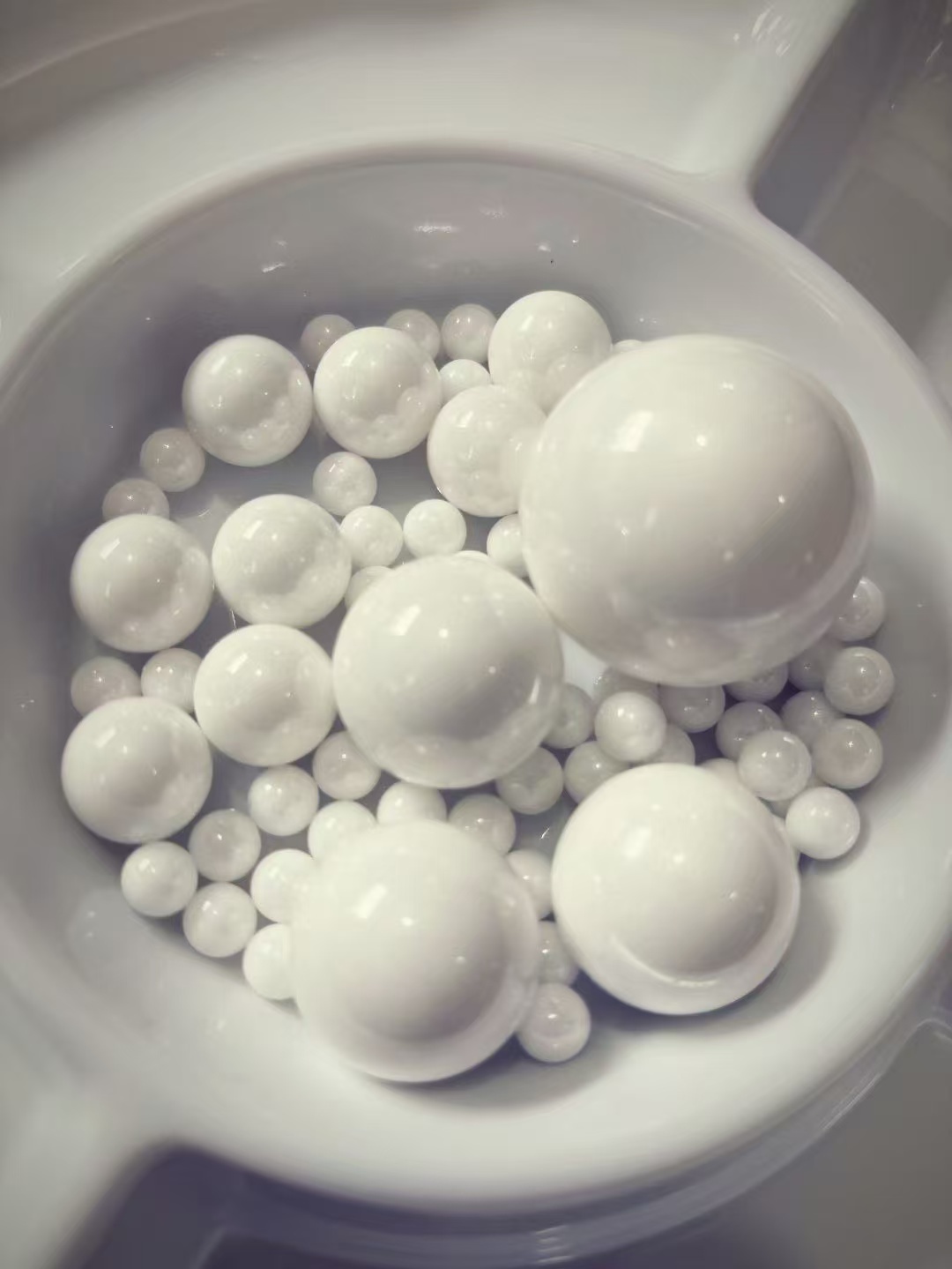
In the realm of industrial bearings, precision and reliability are paramount. The introduction of **25.4mm zirconia spheres** has marked a significant advancement in this sector, providing solutions that enhance performance and efficiency. These spheres, composed primarily of zirconium dioxide, are known for their exceptional hardness, wear resistance, and low thermal conductivity. As industries continue to innovate, understanding the role of zirconia spheres in bearings becomes essential for manufacturers seeking to improve their products.
2. Understanding Zirconia: Composition and Properties
Zirconia, or zirconium dioxide (ZrO2), is a ceramic material notable for its unique properties. It is synthesized through various methods, including the **calcinating process**, where zirconium compounds are heated to high temperatures to produce pure zirconia. This material exhibits several key characteristics:
2.1 Key Properties of Zirconia
- **High Hardness**: Zirconia spheres have a hardness level comparable to that of diamond, making them ideal for applications requiring durability.
- **Low Friction**: They reduce friction significantly, which is crucial for bearing applications where heat generation can lead to premature failure.
- **Corrosion Resistance**: Zirconia is highly resistant to chemical attacks, thereby ensuring longevity in demanding environments.
- **Thermal Stability**: This material can withstand high temperatures without losing its properties, making it suitable for various industrial conditions.
3. Benefits of Using 25.4mm Zirconia Spheres in Bearings
The integration of **25.4mm zirconia spheres** in industrial bearings offers numerous advantages that directly contribute to enhanced performance and reliability.
3.1 Enhanced Wear Resistance
Zirconia's high hardness ensures that bearings experience less wear over time, extending their lifespan and reducing maintenance costs.
3.2 Improved Load-Bearing Capacity
Zirconia spheres can handle higher loads compared to traditional materials, allowing for the development of bearings that can support more significant operational demands.
3.3 Reduced Noise Levels
The smooth surface of zirconia minimizes vibration and noise, creating a more efficient and quieter operation, which is particularly valued in sectors such as automotive and aerospace.
4. Applications of 25.4mm Zirconia Spheres in Industrial Bearings
The versatility of **25.4mm zirconia spheres** allows for their use across various industries. Some of the key applications include:
4.1 Aerospace Industry
In aerospace applications, where reliability and performance are non-negotiable, zirconia spheres contribute to the efficiency of bearings used in engines and landing gear.
4.2 Automotive Sector
Automakers are increasingly incorporating zirconia spheres in wheel bearings, transmissions, and other critical components to achieve better fuel efficiency and durability.
4.3 Medical Devices
In the medical field, zirconia's biocompatibility makes it suitable for use in devices such as implants, where precision and reliability are essential.
4.4 Robotics
The growing robotics industry benefits from the use of zirconia spheres in precision bearings, allowing for smoother and more accurate movement.
5. Performance Enhancements with Zirconia Spheres
The integration of **25.4mm zirconia spheres** enhances performance across several parameters, making them a preferred choice for manufacturers focused on innovation.
5.1 Temperature Regulation
Zirconia's low thermal conductivity helps maintain optimal operational temperatures, reducing the risk of heat-induced failures.
5.2 Vibration Damping
These spheres provide excellent vibration damping, which leads to enhanced product life and consistent performance.
5.3 Consistency in Production
The use of zirconia in bearings ensures a uniform quality, leading to predictable performance and reliability in industrial applications.
6. Comparing Zirconia Spheres to Traditional Bearing Materials
To appreciate the advantages of **25.4mm zirconia spheres**, it is crucial to compare them to traditional bearing materials such as steel and ceramic composites.
6.1 Steel Bearings vs. Zirconia Spheres
While steel bearings are common due to their availability and lower cost, they often suffer from corrosion and wear. In contrast, zirconia spheres offer superior resistance to these issues, leading to longer service life and reduced downtime.
6.2 Ceramic Composites vs. Zirconia Spheres
Ceramic composites provide some advantages, but their brittleness can be a drawback in high-stress applications. Zirconia spheres balance hardness with toughness, making them more reliable for various industrial uses.
7. Manufacturing Process of Zirconia Spheres
The production of **25.4mm zirconia spheres** involves several critical steps to ensure high quality and performance.
7.1 Synthesis and Shaping
Zirconia is synthesized from zirconium compounds and shaped into spheres through various methods, including pressing and sintering.
7.2 Sintering Process
The sintering process is crucial as it involves heating the shaped zirconia to a temperature where particles fuse together, enhancing density and strength.
7.3 Surface Finishing
Post-processing treatments such as polishing ensure that the spheres meet the required specifications for smoothness and dimensional accuracy.
8. Future Innovations and Trends in Zirconia Sphere Technology
As industries evolve, the demand for more efficient and durable bearings will continue to drive innovations in zirconia sphere technology.
8.1 Advancements in Material Science
Research into new formulations of zirconia and composite materials is ongoing, aiming to enhance properties such as thermal stability and mechanical strength.
8.2 Smart Bearings
The integration of IoT technology into bearing systems, coupled with zirconia materials, will pave the way for smarter, self-monitoring bearings that can provide real-time data on performance and wear.
9. Frequently Asked Questions (FAQs)
9.1 What are the main advantages of zirconia spheres in bearings?
Zirconia spheres provide enhanced wear resistance, improved load-bearing capacity, and reduced noise levels, making them ideal for various industrial applications.
9.2 How do zirconia spheres compare to steel bearings?
Zirconia spheres outperform steel bearings in terms of corrosion resistance and longevity, though steel is generally less expensive.
9.3 Can zirconia spheres be used in high-temperature applications?
Yes, zirconia spheres can withstand high temperatures, making them suitable for demanding environments.
9.4 Are zirconia spheres suitable for medical applications?
Yes, due to their biocompatibility and durability, zirconia spheres are increasingly used in medical implants and devices.
9.5 What is the manufacturing process for zirconia spheres?
The manufacturing process involves synthesizing zirconia, shaping it into spheres, sintering to enhance strength, and finishing for accuracy.
10. Conclusion
The advent of **25.4mm zirconia spheres** has transformed the landscape of industrial bearings, offering solutions that combine durability, precision, and performance. As industries continue to push for advancements, the benefits of zirconia will only become more pronounced. Understanding its properties, applications, and future innovations is crucial for manufacturers aiming to stay competitive in an ever-evolving market. Embracing the use of zirconia spheres not only enhances product quality but also sets the stage for a new era in industrial bearing technology.
Previous
News



Products
Contact us
Mobile/WhatsApp: +86-15194016333
E-Mail: xql@hczbbearing.com
Add: 611-12, No.17 Xinzhu Road, Licheng District, Jinan City, Shandong Province, China


Messages