

Understanding G10 and G16 Precision Steel Balls: Key Components in Industrial Applications
Release time:
Jan 22,2026
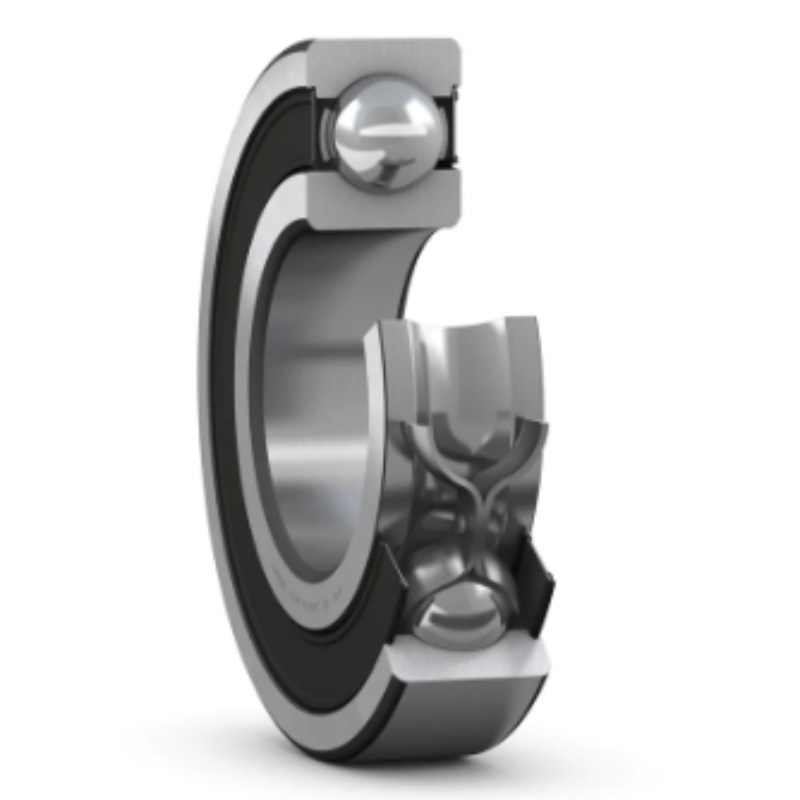
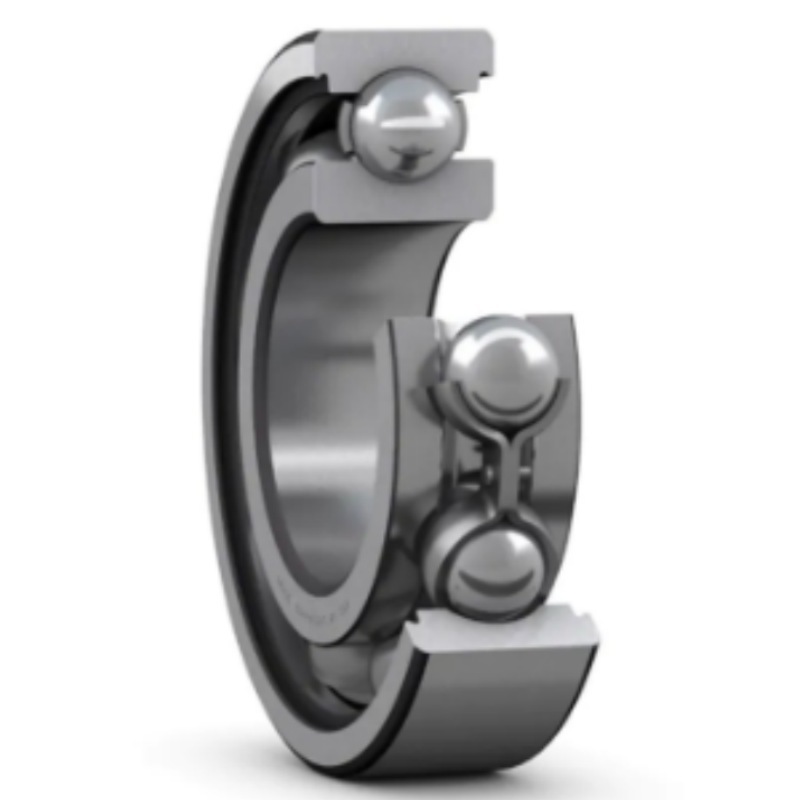
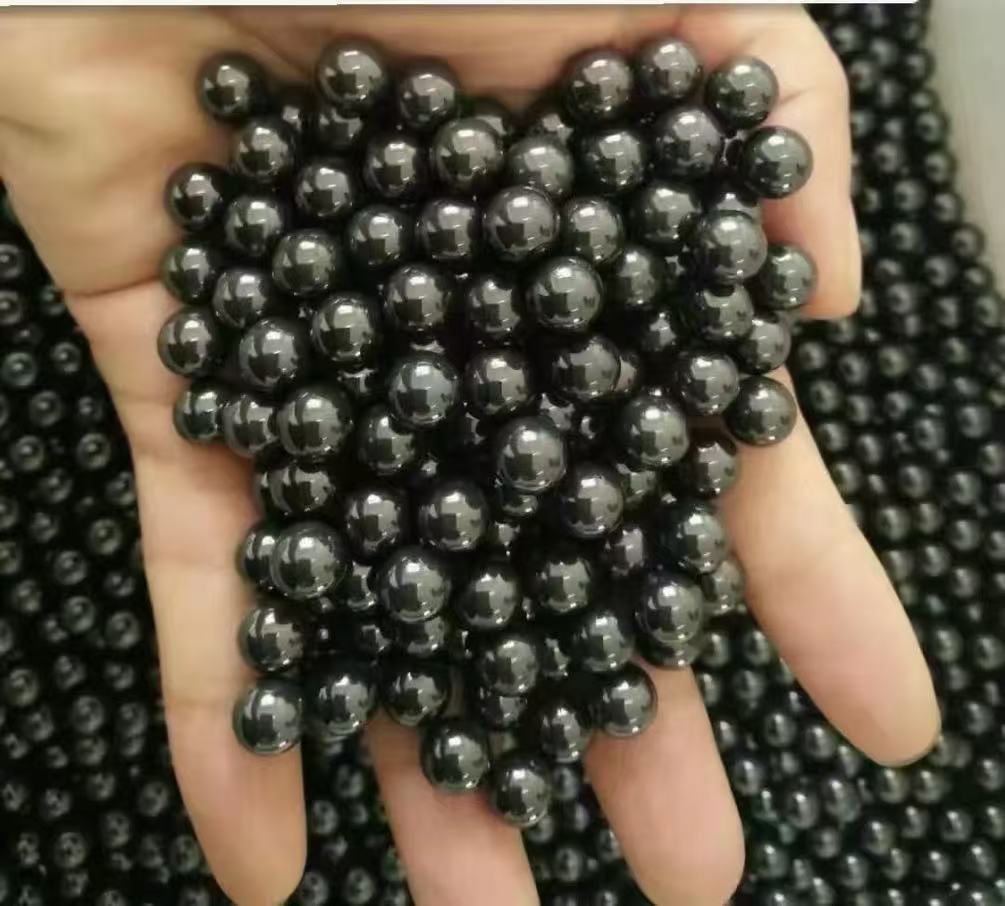
Precision steel balls play a crucial role in various industrial equipment and components, especially in the realm of bearing accessories. Among the different grades available, G10 and G16 precision steel balls stand out due to their specific dimensional tolerances and applications.
G10 precision steel balls are made to a tolerance of ±0.01 mm, making them suitable for applications that require high precision and minimal play. These balls are often used in high-performance bearings, valve applications, and in many types of machinery where reliability is critical. The manufacturing process of G10 precision balls usually involves stringent quality control measures, ensuring that each ball meets the exact specifications needed for demanding applications.
On the other hand, G16 precision steel balls have a wider tolerance range of ±0.02 mm, allowing for more versatile applications where absolute precision may not be as critical. This grade of steel ball is suitable for applications such as low-speed bearings and general-purpose equipment where the precision requirements are less stringent. Despite being a lower grade compared to G10, G16 balls still offer a good balance of performance at a more economical cost.
Both G10 and G16 precision steel balls are typically made from high-quality materials such as chrome steel or stainless steel, which provide excellent wear resistance and durability. The choice between G10 and G16 often depends on the specific requirements of the application, including speed, load, and environmental factors like moisture and temperature.
The impact of using these precision steel balls in industrial machinery cannot be overstated. They significantly reduce friction between moving parts, leading to improved efficiency and longevity of equipment. Moreover, their consistent size and shape contribute to the overall performance of bearings, reducing the likelihood of failure and maintenance needs.
In conclusion, understanding the differences between G10 and G16 precision steel balls can assist professionals in selecting the right components for their machinery. By choosing the appropriate grade based on application requirements, businesses can enhance the performance and reliability of their operations while optimizing costs. Investing in the right precision steel balls is a step towards achieving higher efficiency in industrial applications.
G10 precision steel balls are made to a tolerance of ±0.01 mm, making them suitable for applications that require high precision and minimal play. These balls are often used in high-performance bearings, valve applications, and in many types of machinery where reliability is critical. The manufacturing process of G10 precision balls usually involves stringent quality control measures, ensuring that each ball meets the exact specifications needed for demanding applications.
On the other hand, G16 precision steel balls have a wider tolerance range of ±0.02 mm, allowing for more versatile applications where absolute precision may not be as critical. This grade of steel ball is suitable for applications such as low-speed bearings and general-purpose equipment where the precision requirements are less stringent. Despite being a lower grade compared to G10, G16 balls still offer a good balance of performance at a more economical cost.
Both G10 and G16 precision steel balls are typically made from high-quality materials such as chrome steel or stainless steel, which provide excellent wear resistance and durability. The choice between G10 and G16 often depends on the specific requirements of the application, including speed, load, and environmental factors like moisture and temperature.
The impact of using these precision steel balls in industrial machinery cannot be overstated. They significantly reduce friction between moving parts, leading to improved efficiency and longevity of equipment. Moreover, their consistent size and shape contribute to the overall performance of bearings, reducing the likelihood of failure and maintenance needs.
In conclusion, understanding the differences between G10 and G16 precision steel balls can assist professionals in selecting the right components for their machinery. By choosing the appropriate grade based on application requirements, businesses can enhance the performance and reliability of their operations while optimizing costs. Investing in the right precision steel balls is a step towards achieving higher efficiency in industrial applications.
News


Products
Contact us
Mobile/WhatsApp: +86-15194016333
E-Mail: xql@hczbbearing.com
Add: 611-12, No.17 Xinzhu Road, Licheng District, Jinan City, Shandong Province, China


Messages