

Understanding the Properties of 25.4mm Zirconia Spheres for Bearings: A Comprehensive Guide
Release time:
Mar 03,2026
Understanding the Properties of 25.4mm Zirconia Spheres for Bearings
Table of Contents
- 1. Introduction to Zirconia Spheres
- 2. What is Zirconia?
- 3. Key Properties of Zirconia Spheres
- 3.1 Hardness and Wear Resistance
- 3.2 Thermal Conductivity
- 3.3 Corrosion Resistance
- 3.4 Density and Weight
- 4. Advantages of Using 25.4mm Zirconia Spheres in Bearings
- 5. Applications of Zirconia Spheres in Industrial Equipment
- 6. Installation and Maintenance Tips
- 7. Cost Analysis of Zirconia Bearings
- 8. Future Trends in Zirconia Sphere Technology
- 9. Frequently Asked Questions
- 10. Conclusion
1. Introduction to Zirconia Spheres
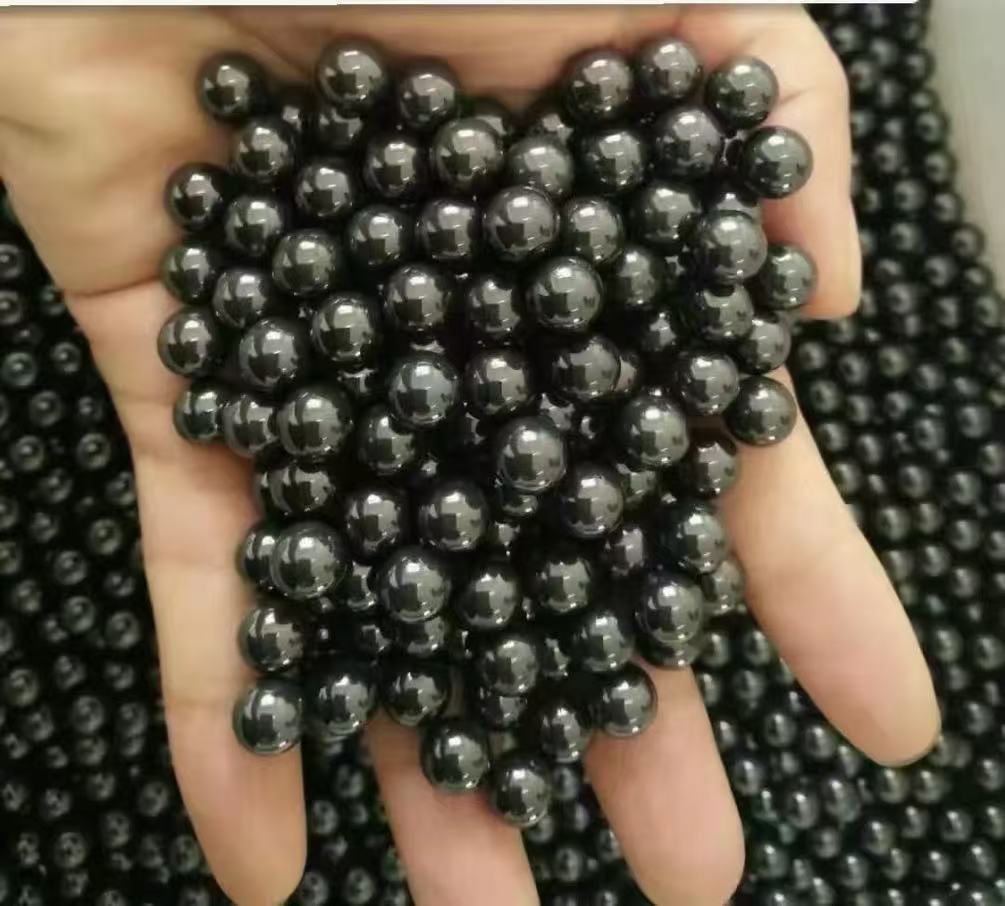
Zirconia spheres, particularly those measuring **25.4mm**, are becoming increasingly popular in the realm of bearings due to their remarkable combination of properties. These spheres, made from zirconium dioxide (ZrO2), offer exceptional performance in a variety of industrial applications. Understanding their unique characteristics is essential for engineers and manufacturers looking to optimize bearing performance and longevity.
2. What is Zirconia?
Zirconia, or zirconium dioxide, is a white crystalline oxide of zirconium. It is known for its toughness, strength, and resistance to wear and corrosion. Zirconia exists in various forms, but the stabilized tetragonal form is most commonly utilized in industrial applications, particularly in the production of bearings. Its impressive mechanical properties make it ideal for demanding environments where durability is paramount.
3. Key Properties of Zirconia Spheres
The importance of **25.4mm zirconia spheres** in bearings lies in their distinctive properties, which include hardness, thermal conductivity, corrosion resistance, and density.
3.1 Hardness and Wear Resistance
Zirconia spheres exhibit **high hardness** levels, often exceeding those of traditional bearing materials such as steel. This hardness translates to superior wear resistance, allowing zirconia spheres to withstand abrasive environments without significant degradation. The result is longer service life and reduced maintenance costs for machinery.
3.2 Thermal Conductivity
The thermal conductivity of zirconia is relatively low compared to metals, which can be beneficial in applications where heat management is crucial. This property helps maintain operational temperatures, reducing the risk of thermal distortion and improving overall bearing performance in high-speed applications.
3.3 Corrosion Resistance
Zirconia is highly resistant to corrosion, making it an excellent choice for use in harsh environments where exposure to chemicals and moisture is common. This resistance ensures that bearings remain functional over extended periods, reducing the need for replacements and enhancing reliability.
3.4 Density and Weight
Zirconia is denser than many traditional bearing materials, which can impact the overall weight of the bearing assembly. While this might seem like a disadvantage, the high strength-to-weight ratio of zirconia ensures that lighter designs can be achieved without sacrificing performance.
4. Advantages of Using 25.4mm Zirconia Spheres in Bearings
Incorporating **25.4mm zirconia spheres** into bearing designs offers numerous advantages:
- **Extended Lifespan**: The hardness and wear resistance of zirconia significantly extend the lifespan of bearings, making them a cost-effective choice for manufacturers.
- **Reduced Friction**: The smooth surface of zirconia spheres results in lower friction coefficients, enhancing the efficiency of machinery.
- **Versatility**: Zirconia spheres can be utilized in a wide range of applications, from automotive to aerospace industries.
- **Temperature Resistance**: Zirconia can operate effectively in high-temperature environments without compromising its structural integrity.
5. Applications of Zirconia Spheres in Industrial Equipment
The versatility of **25.4mm zirconia spheres** allows them to be used across various industries. Some key applications include:
- **Automotive Bearings**: Used in engines, wheel hubs, and transmissions due to their durability and resistance to wear.
- **Aerospace Components**: Essential for high-performance applications where weight and reliability are critical.
- **Medical Devices**: Employed in surgical instruments and prosthetics, benefiting from their biocompatibility and corrosion resistance.
- **Industrial Machinery**: Incorporated into equipment that operates under high stress and in abrasive environments.
6. Installation and Maintenance Tips
Proper installation and maintenance of zirconia bearings are crucial to maximizing their lifespan and performance. Here are some best practices:
- **Cleanliness**: Ensure that the installation area is free of contaminants to prevent premature wear.
- **Correct Alignment**: Misalignment can lead to increased friction and wear. Use precise alignment tools during installation.
- **Regular Inspections**: Conduct routine checks to monitor wear and tear, ensuring that any issues are addressed before they lead to failure.
- **Appropriate Lubrication**: While zirconia spheres require less lubrication than traditional materials, ensure that the right type of lubricant is used to minimize friction.
7. Cost Analysis of Zirconia Bearings
When evaluating the cost of **25.4mm zirconia spheres**, it is essential to consider both the initial investment and long-term savings. Although zirconia bearings may have a higher upfront cost compared to conventional materials, their durability and reduced maintenance needs often result in lower total cost of ownership over time. Companies can benefit from fewer replacements and less downtime, which significantly boosts productivity.
8. Future Trends in Zirconia Sphere Technology
The advancements in zirconia technology continue to evolve, leading to exciting trends in the industry:
- **Enhanced Manufacturing Processes**: Innovations in sintering techniques are allowing for the production of even more refined and durable zirconia spheres.
- **Nanostructured Zirconia**: Research into nanostructured zirconia could unlock new possibilities for improved performance in specialized applications.
- **Sustainability**: Increasing focus on sustainable manufacturing practices is driving the development of eco-friendly zirconia production methods.
9. Frequently Asked Questions
1. What are the main benefits of zirconia spheres in bearings?
Zirconia spheres provide high hardness, wear resistance, and corrosion resistance, contributing to longer bearing life and reduced maintenance costs.
2. Can zirconia bearings be used in high-temperature applications?
Yes, zirconia spheres can withstand high temperatures without compromising their structural integrity, making them suitable for demanding thermal environments.
3. How do zirconia spheres compare to steel spheres?
Zirconia spheres are generally more wear-resistant than steel spheres, leading to longer life and lower friction coefficients, although they are heavier.
4. Are zirconia bearings suitable for medical applications?
Absolutely, zirconia is biocompatible and resistant to corrosion, making it an excellent choice for various medical devices.
5. What maintenance is required for zirconia bearings?
Regular inspections for wear, proper alignment during installation, and the use of appropriate lubricants are essential to maintain zirconia bearings' performance.
10. Conclusion
The **25.4mm zirconia spheres** represent a significant advancement in bearing technology, offering exceptional properties that enhance performance and durability across various applications. By understanding their key characteristics and benefits, engineers and industry professionals can make informed decisions that lead to improved efficiency and reduced operational costs. As technology continues to evolve, zirconia spheres will undoubtedly play a pivotal role in the future of industrial equipment and components.
News


Products
Contact us
Mobile/WhatsApp: +86-15194016333
E-Mail: xql@hczbbearing.com
Add: 611-12, No.17 Xinzhu Road, Licheng District, Jinan City, Shandong Province, China


Messages