

Understanding Precision Steel Balls: G10 and G16 Grades
Release time:
Mar 24,2026
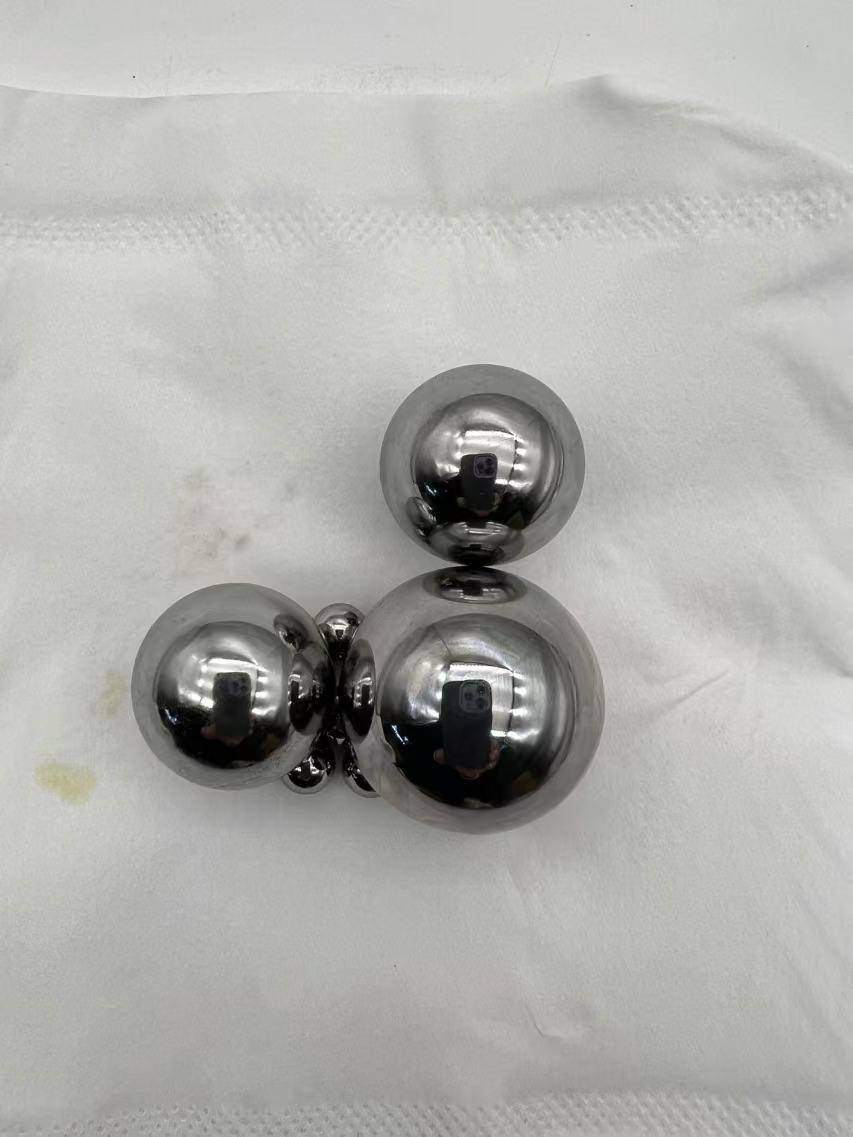
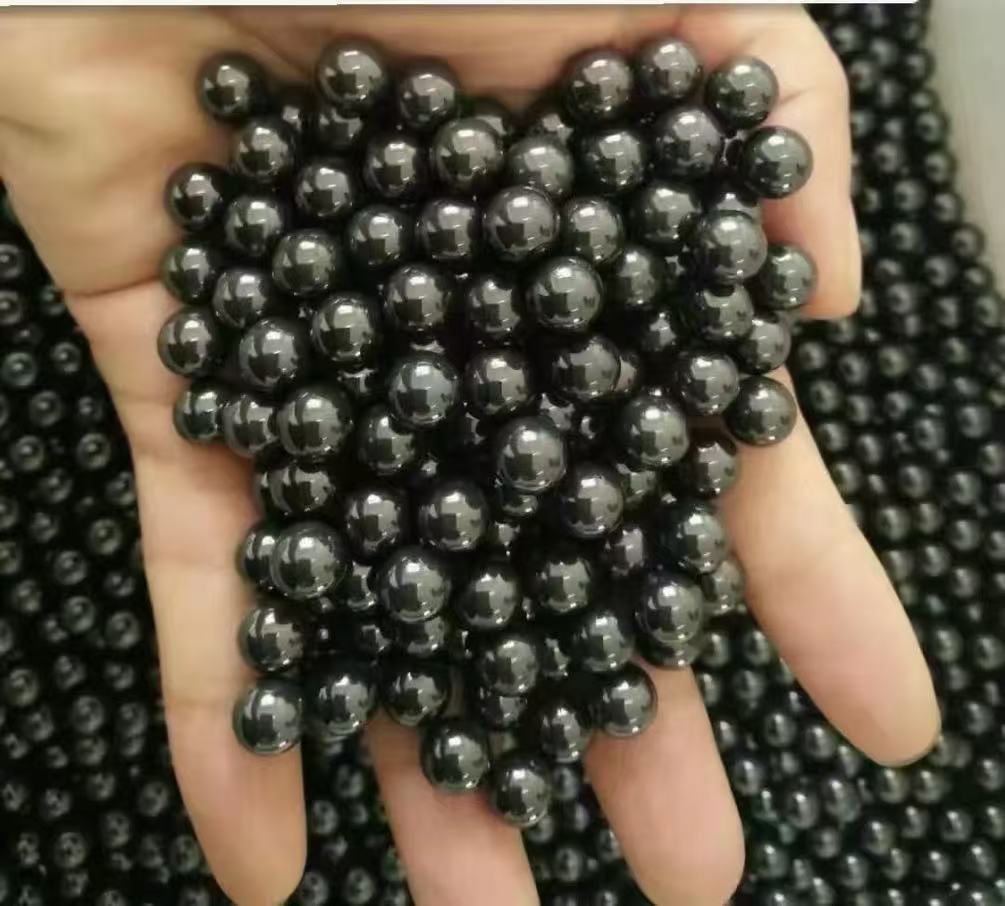
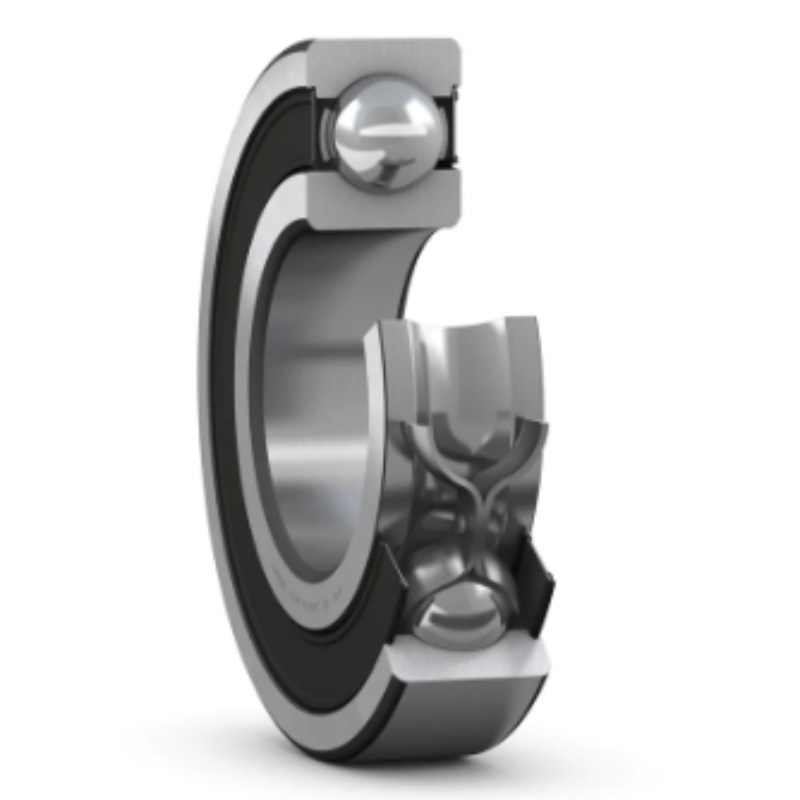
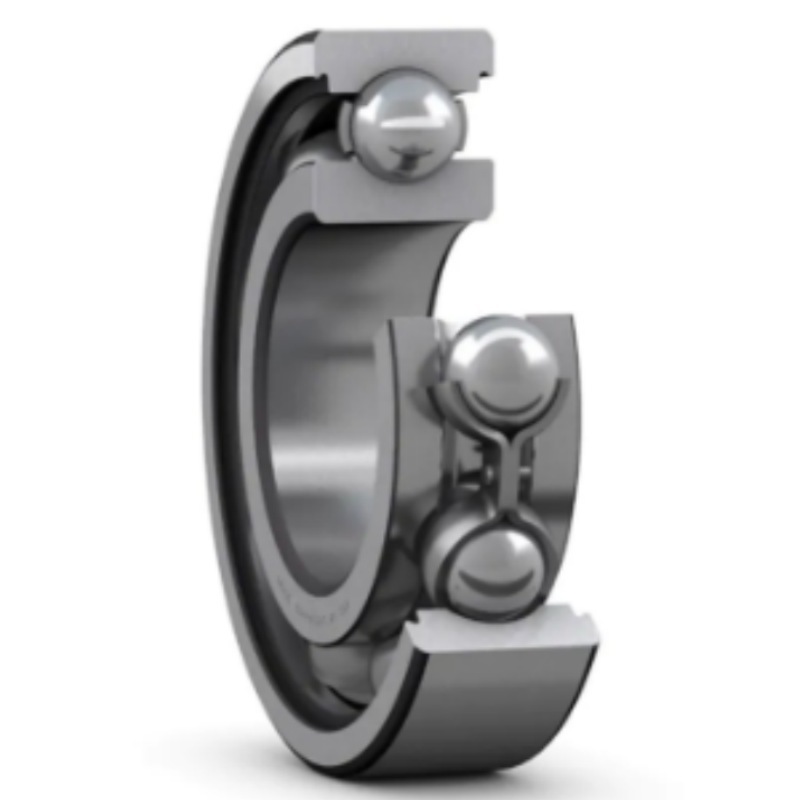
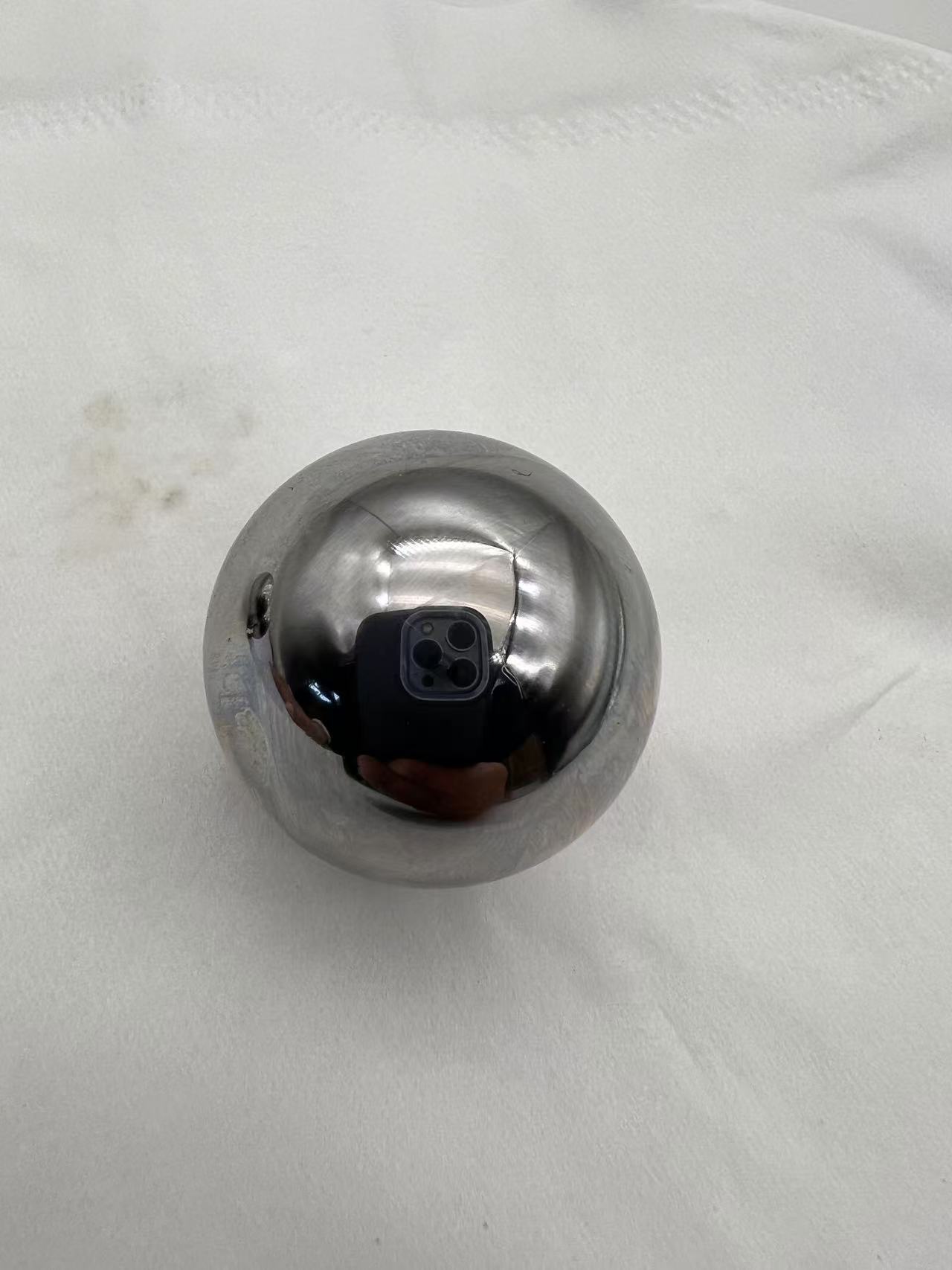
Precision steel balls play a pivotal role in various industrial applications, particularly in the realm of bearings and other related components. The G10 and G16 designations refer to specific grades of precision steel balls, which are characterized by their dimensional accuracy and surface finish. Understanding these grades is essential for industrial professionals who seek to optimize performance and reliability in mechanical systems.
**G10 Precision Steel Balls**
G10 precision steel balls are manufactured to stringent tolerances, typically within ±0.0005 inches (±0.0127 mm) in diameter. These balls are often made from high-quality materials such as stainless steel, carbon steel, or alloy steel, offering excellent durability and wear resistance. The G10 grade is ideal for applications requiring high precision, such as in aerospace, robotics, and high-speed machinery. The superior roundness and smooth surface finish of G10 balls help reduce friction and enhance the efficiency of rotating components.
In addition to their mechanical properties, G10 precision steel balls are commonly used in applications where low noise and vibration levels are critical. For example, they are frequently employed in the manufacturing of linear motion systems and actuators, where the performance of each component directly impacts the overall system efficiency. When selecting G10 precision steel balls, it's essential to consider the specific requirements of your application, including load capacity and operating environment.
**G16 Precision Steel Balls**
On the other hand, G16 precision steel balls are manufactured with slightly less stringent tolerances, typically within ±0.001 inches (±0.0254 mm) in diameter. While they may not offer the same level of precision as G10 balls, G16 balls still provide a reliable option for less demanding applications. They are often used in standard bearing applications, automotive components, and various mechanical assemblies where moderate precision is acceptable.
G16 steel balls can also be a cost-effective choice for applications that do not require the strict tolerances associated with G10. They offer a good balance between performance and affordability, making them a popular choice in several industries. When considering G16 precision steel balls, it is essential to evaluate the specific load requirements and environmental conditions, as the performance may vary depending on the application.
**Conclusion**
In summary, both G10 and G16 precision steel balls serve important roles in industrial applications. By understanding their characteristics and appropriate applications, professionals can make informed decisions to enhance their projects' performance and reliability. Whether opting for the high precision of G10 or the cost-effective nature of G16, selecting the right grade of precision steel ball can significantly impact the efficiency and functionality of mechanical systems.
**G10 Precision Steel Balls**
G10 precision steel balls are manufactured to stringent tolerances, typically within ±0.0005 inches (±0.0127 mm) in diameter. These balls are often made from high-quality materials such as stainless steel, carbon steel, or alloy steel, offering excellent durability and wear resistance. The G10 grade is ideal for applications requiring high precision, such as in aerospace, robotics, and high-speed machinery. The superior roundness and smooth surface finish of G10 balls help reduce friction and enhance the efficiency of rotating components.
In addition to their mechanical properties, G10 precision steel balls are commonly used in applications where low noise and vibration levels are critical. For example, they are frequently employed in the manufacturing of linear motion systems and actuators, where the performance of each component directly impacts the overall system efficiency. When selecting G10 precision steel balls, it's essential to consider the specific requirements of your application, including load capacity and operating environment.
**G16 Precision Steel Balls**
On the other hand, G16 precision steel balls are manufactured with slightly less stringent tolerances, typically within ±0.001 inches (±0.0254 mm) in diameter. While they may not offer the same level of precision as G10 balls, G16 balls still provide a reliable option for less demanding applications. They are often used in standard bearing applications, automotive components, and various mechanical assemblies where moderate precision is acceptable.
G16 steel balls can also be a cost-effective choice for applications that do not require the strict tolerances associated with G10. They offer a good balance between performance and affordability, making them a popular choice in several industries. When considering G16 precision steel balls, it is essential to evaluate the specific load requirements and environmental conditions, as the performance may vary depending on the application.
**Conclusion**
In summary, both G10 and G16 precision steel balls serve important roles in industrial applications. By understanding their characteristics and appropriate applications, professionals can make informed decisions to enhance their projects' performance and reliability. Whether opting for the high precision of G10 or the cost-effective nature of G16, selecting the right grade of precision steel ball can significantly impact the efficiency and functionality of mechanical systems.
News

Products
Contact us
Mobile/WhatsApp: +86-15194016333
E-Mail: xql@hczbbearing.com
Add: 611-12, No.17 Xinzhu Road, Licheng District, Jinan City, Shandong Province, China


Messages