

The Importance of Precision in Miniature Deep Groove Ball Bearing 608
Release time:
May 14,2026
The Importance of Precision in Miniature Deep Groove Ball Bearing 608
Table of Contents
1. Understanding Miniature Deep Groove Ball Bearings
2. The Role of Precision in Bearing Performance
3. Key Specifications of Miniature Deep Groove Ball Bearing 608
3.1 Dimensions and Load Ratings
3.2 Material Composition
3.3 Lubrication and Maintenance
4. Applications of Miniature Deep Groove Ball Bearings
4.1 Robotics and Automation
4.2 Medical Devices
4.3 Consumer Electronics
5. Factors Influencing Precision in Bearings
5.1 Manufacturing Processes
5.2 Quality Control Measures
5.3 Environmental Considerations
6. Testing Precision and Performance
6.1 Common Testing Methods
6.2 Importance of Regular Testing
7. Enhancing Precision in Miniature Deep Groove Ball Bearings
8. FAQs
9. Conclusion
1. Understanding Miniature Deep Groove Ball Bearings
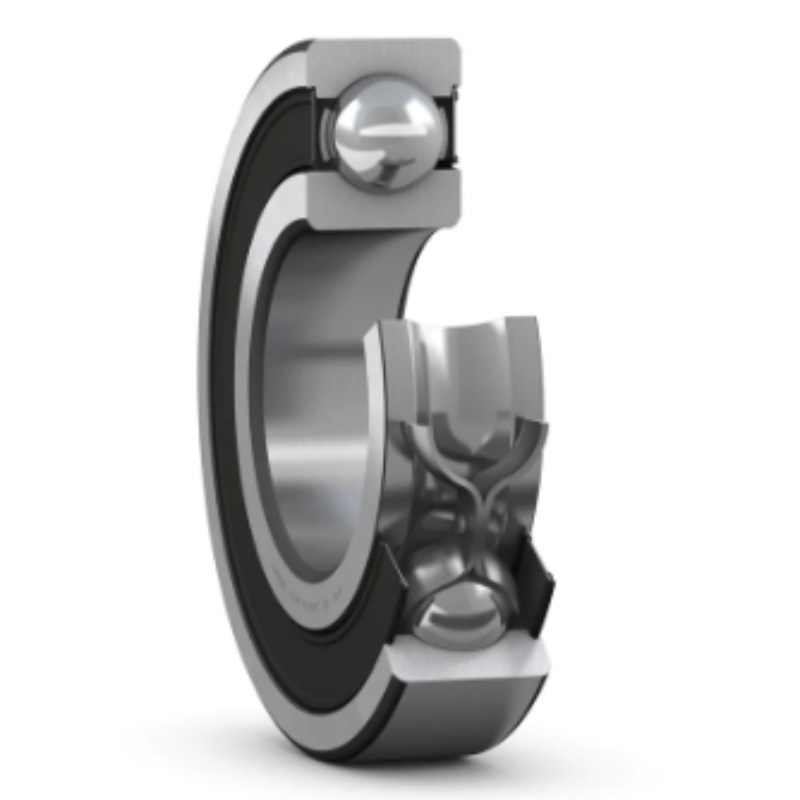
Miniature Deep Groove Ball Bearings, particularly the 608 series, are integral to numerous mechanical systems. These bearings support radial and axial loads, allowing components to rotate smoothly and efficiently. Despite their small size, they play a significant role in ensuring the reliability and performance of machines in various industries.
2. The Role of Precision in Bearing Performance
Precision in miniature bearings is essential for several reasons. It affects their load capacity, durability, and overall efficiency. When bearings are manufactured with high precision, they experience lower friction, reduced wear, and enhanced performance. This leads to increased machinery efficiency and extended service life.
In industries where reliability is paramount, the precision of the bearings directly influences the overall success of the application. A high level of precision ensures that the components fit together seamlessly, minimizing vibration and noise while maximizing performance.
3. Key Specifications of Miniature Deep Groove Ball Bearing 608
Understanding the specifications of the Miniature Deep Groove Ball Bearing 608 is crucial for selecting the right component for your application.
3.1 Dimensions and Load Ratings
The 608 bearing typically has an outer diameter of 22 mm, an inner diameter of 8 mm, and a thickness of 7 mm. The load ratings vary depending on the specific design and materials used. Knowing the load limits helps in selecting the right bearing for different applications, ensuring they can handle the required loads without failure.
3.2 Material Composition
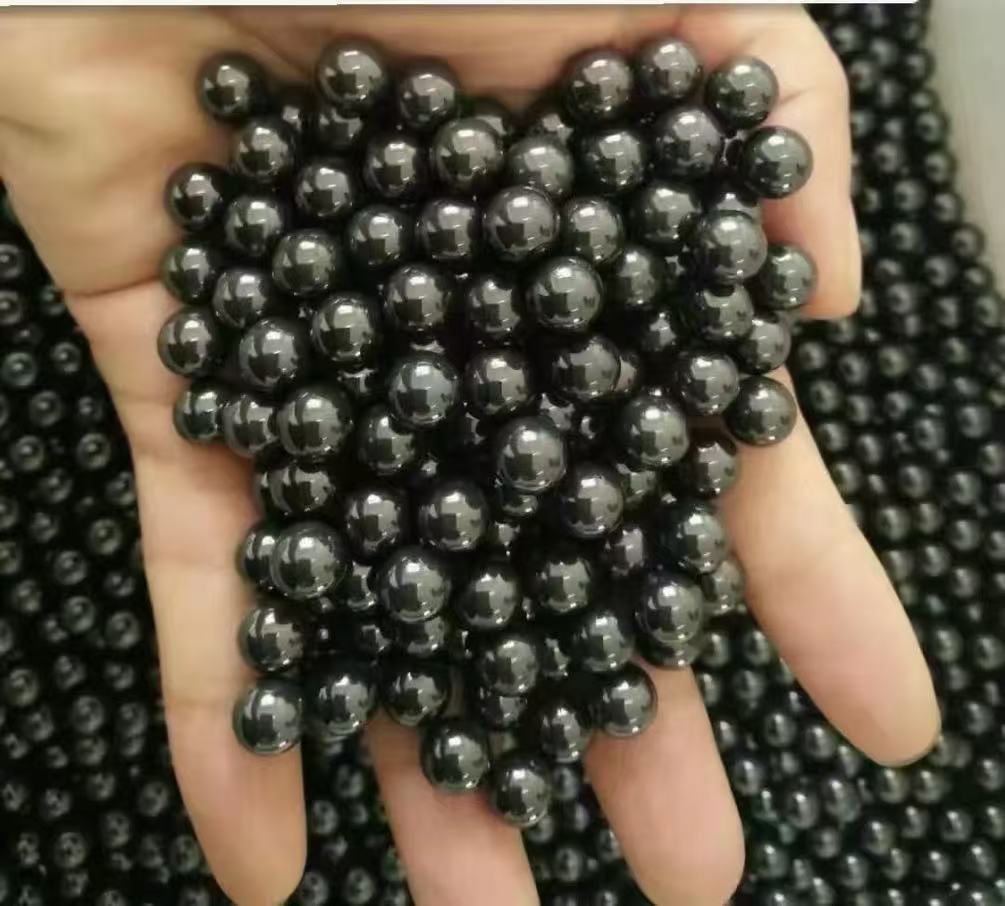
Material selection plays a pivotal role in the performance and longevity of miniature bearings. Common materials include stainless steel, chrome steel, and ceramic. Each material offers unique properties such as corrosion resistance, weight, and thermal stability, which can influence precision.
3.3 Lubrication and Maintenance
Effective lubrication is vital for maintaining precision and performance in miniature bearings. Proper lubrication reduces friction, helps in heat dissipation, and prevents wear. Regular maintenance schedules can significantly enhance the life of these components.
4. Applications of Miniature Deep Groove Ball Bearings
Miniature Deep Groove Ball Bearings 608 are utilized in a wide array of applications, showcasing their versatility and importance.
4.1 Robotics and Automation
In robotics, precision is critical for movement and operation. The 608 bearings provide the necessary support for robotic joints and wheels, ensuring smooth and accurate movement. Their durability ensures that they can withstand the demands of high-speed operations.
4.2 Medical Devices
Medical equipment often requires components that function reliably under strict conditions. The precision of the 608 bearings in devices such as MRI machines and surgical instruments is paramount, as even minor deviations can lead to significant operational issues.
4.3 Consumer Electronics
From printers to drones, miniature bearings are central to the functionality of many consumer electronics. The 608 bearings help maintain smooth operation, contributing to better user experiences and enhanced product quality.
5. Factors Influencing Precision in Bearings
Several factors can impact the precision of Miniature Deep Groove Ball Bearings, affecting their overall performance.
5.1 Manufacturing Processes
The methods used in manufacturing bearings—such as forging, machining, and heat treatment—can significantly affect precision. Advanced technologies and techniques lead to tighter tolerances and better overall quality.
5.2 Quality Control Measures
Stringent quality control measures during the production process are essential for ensuring precision. Regular inspections and testing help in identifying defects early on, preventing issues in the final product.
5.3 Environmental Considerations
Environmental factors such as temperature, humidity, and exposure to corrosive substances can impact the performance and precision of bearings. Selecting the right materials and protective coatings can mitigate these effects.
6. Testing Precision and Performance
Testing is an integral part of ensuring the precision and reliability of Miniature Deep Groove Ball Bearings.
6.1 Common Testing Methods
Common methods include dimensional inspections, noise testing, and load tests. These procedures help in verifying that the bearings meet the required specifications and performance standards.
6.2 Importance of Regular Testing
Implementing a regular testing schedule can help identify potential issues before they lead to failures. This proactive approach is essential for maintaining the efficiency and reliability of applications that rely on precision bearings.
7. Enhancing Precision in Miniature Deep Groove Ball Bearings
To improve the precision of Miniature Deep Groove Ball Bearings, manufacturers can adopt various strategies.
- Invest in advanced manufacturing technologies, such as CNC machining, to achieve tighter tolerances.
- Implement rigorous quality control processes throughout production.
- Utilize high-quality materials that enhance performance and longevity.
- Conduct regular training for personnel on the importance of precision in manufacturing and assembly processes.
8. FAQs
1. What are Miniature Deep Groove Ball Bearings?
Miniature Deep Groove Ball Bearings are small, precision-engineered components that support both radial and axial loads, allowing for smooth rotational movement in machinery.
2. Why is precision important in bearings?
Precision is crucial as it affects load capacity, efficiency, and durability. High-precision bearings minimize friction and wear, leading to better performance.
3. What materials are commonly used for Miniature Deep Groove Ball Bearings?
Common materials include stainless steel, chrome steel, and ceramic, each offering distinct properties suitable for various applications.
4. How can I maintain the precision of my bearings?
Regular lubrication, cleaning, and inspection can help maintain the precision and performance of your bearings. Following a maintenance schedule is essential.
5. What applications benefit from Miniature Deep Groove Ball Bearings?
They are widely used in robotics, medical devices, and consumer electronics, where precision and reliability are critical for performance.
9. Conclusion
The significance of precision in Miniature Deep Groove Ball Bearing 608 cannot be overstated. These small yet essential components play a vital role in the performance and longevity of machinery across various industries. Understanding the factors that contribute to their precision and implementing best practices in manufacturing and maintenance can significantly enhance their effectiveness. Investing in high-quality bearings and adhering to rigorous testing and maintenance practices will ensure optimal performance, paving the way for greater efficiency and reliability in all applications.
News




Products
Contact us
Mobile/WhatsApp: +86-15194016333
E-Mail: xql@hczbbearing.com
Add: 611-12, No.17 Xinzhu Road, Licheng District, Jinan City, Shandong Province, China


Messages