

Understanding Precision Steel Balls G10 and G16: Essential Knowledge for Industrial Applications
Release time:
Jun 26,2026
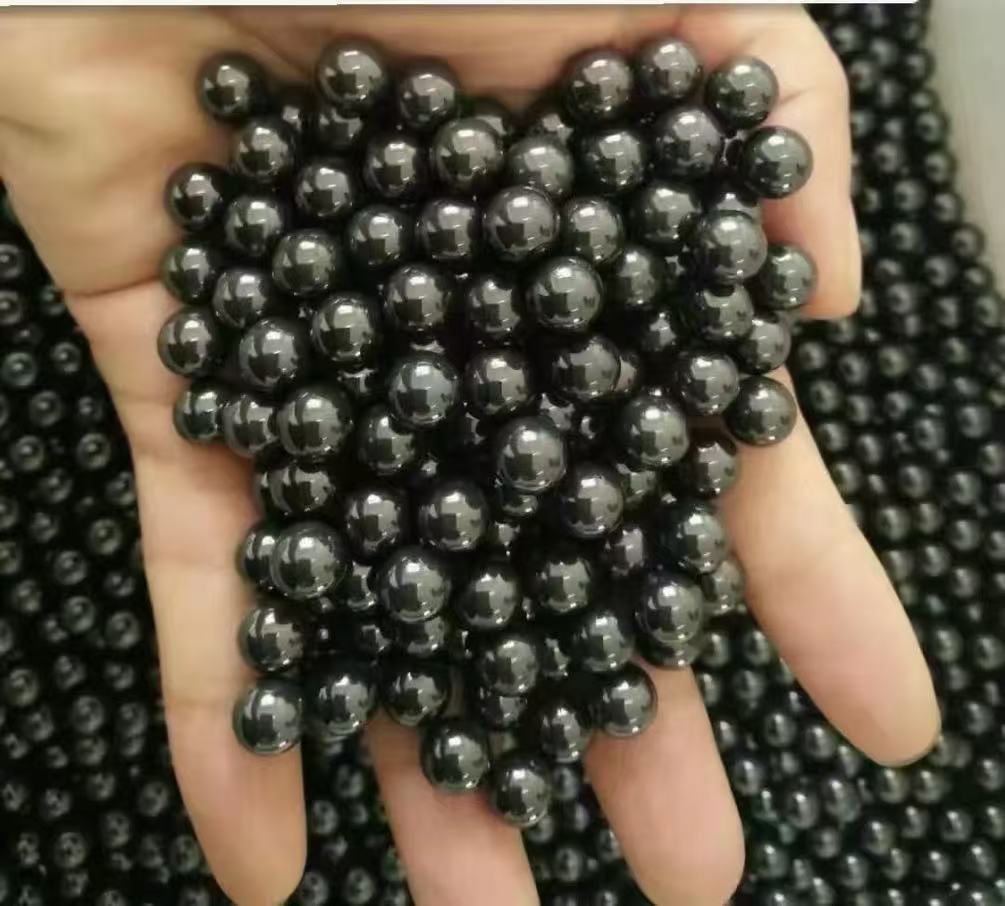
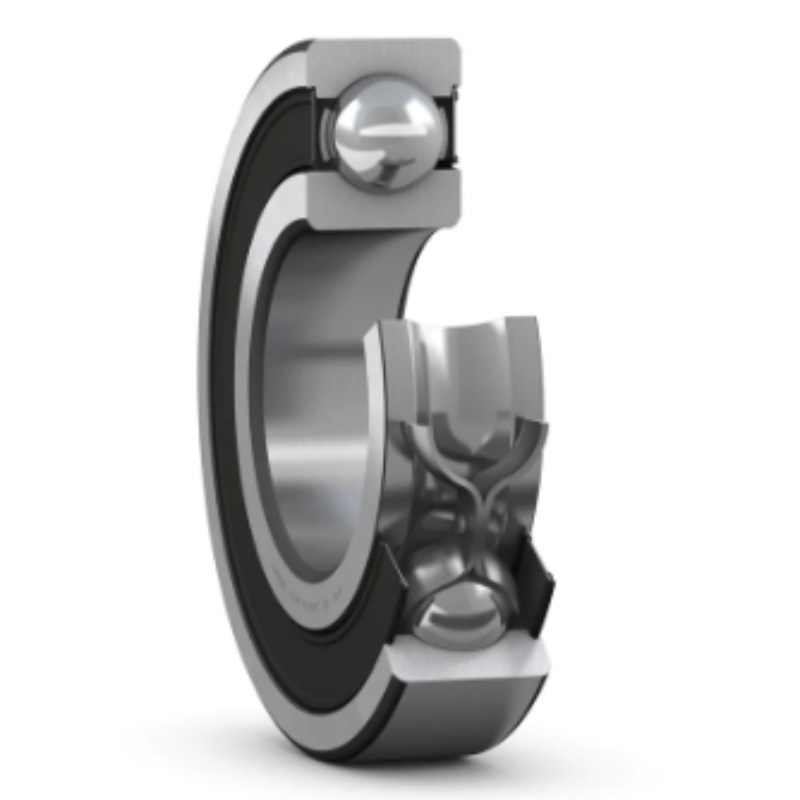
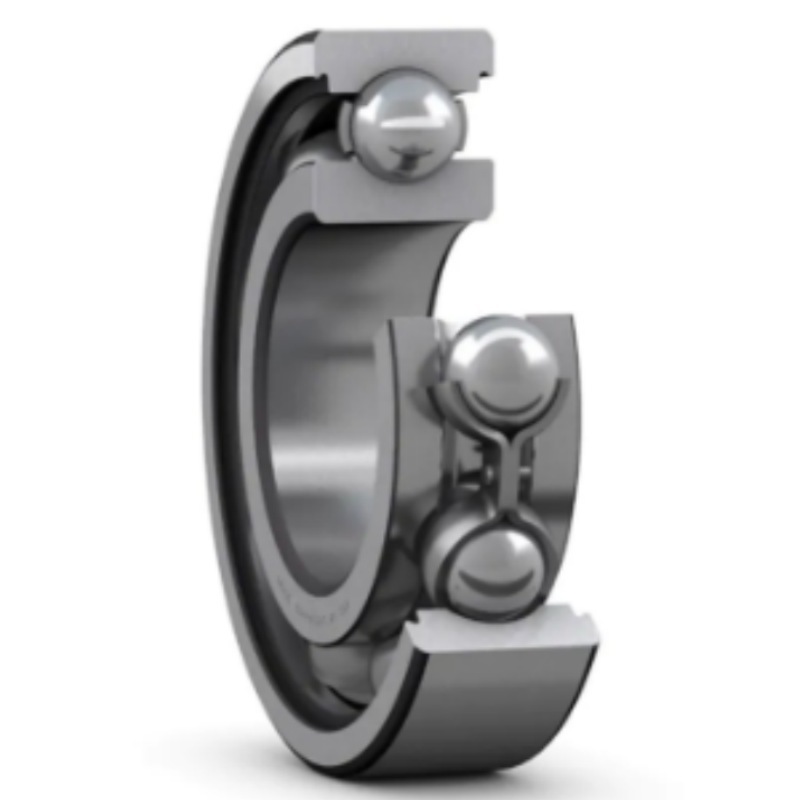
Precision steel balls are vital components in various industrial applications, particularly in bearings and other mechanical systems. Among the different grading systems used to classify these steel balls, G10 and G16 are two of the most common grades. Understanding these specifications can help industries select the right components for their equipment, enhancing both efficiency and longevity.
The G10 and G16 designations refer to the dimensional tolerances and surface finishes of the steel balls. G10 steel balls have a tolerance of ±0.0005 inches, while G16 balls have a slightly larger tolerance of ±0.0008 inches. This means that G10 balls are more precise in their dimensions compared to G16 balls, making them particularly suitable for applications that require high levels of accuracy and reliability. For instance, in precision bearings, where minimal friction and optimal performance are paramount, G10 balls are often preferred due to their superior dimensional consistency.
Both G10 and G16 steel balls are typically made from high-carbon chromium steel, which provides excellent wear resistance and hardness. They are often heat-treated to enhance their mechanical properties, ensuring they can withstand heavy loads and high speeds. The choice between G10 and G16 might depend on the specific requirements of a given application, such as load capacity, speed, and operating environment.
In applications like automotive and aerospace, where performance and safety are crucial, G10 precision steel balls might be a better choice due to their tighter tolerances. However, for less demanding applications where cost-effectiveness is a priority, G16 balls could be a suitable alternative.
The surface finish of these steel balls is also an essential factor to consider. A smoother surface finish reduces friction and wear, which can lead to longer service life and improved operational efficiency. Both G10 and G16 balls can be polished to achieve a specific surface finish, depending on the application's requirements.
In summary, when choosing between G10 and G16 precision steel balls, it's essential to consider the specific needs of your application. While G10 offers tighter tolerances and superior performance for high-precision applications, G16 provides a more cost-effective solution for less stringent requirements. Understanding these specifications ensures that you select the most appropriate steel balls, leading to improved performance and reliability in your industrial equipment. Whether in bearings or other mechanical systems, precision steel balls play a crucial role in ensuring optimal functionality.
The G10 and G16 designations refer to the dimensional tolerances and surface finishes of the steel balls. G10 steel balls have a tolerance of ±0.0005 inches, while G16 balls have a slightly larger tolerance of ±0.0008 inches. This means that G10 balls are more precise in their dimensions compared to G16 balls, making them particularly suitable for applications that require high levels of accuracy and reliability. For instance, in precision bearings, where minimal friction and optimal performance are paramount, G10 balls are often preferred due to their superior dimensional consistency.
Both G10 and G16 steel balls are typically made from high-carbon chromium steel, which provides excellent wear resistance and hardness. They are often heat-treated to enhance their mechanical properties, ensuring they can withstand heavy loads and high speeds. The choice between G10 and G16 might depend on the specific requirements of a given application, such as load capacity, speed, and operating environment.
In applications like automotive and aerospace, where performance and safety are crucial, G10 precision steel balls might be a better choice due to their tighter tolerances. However, for less demanding applications where cost-effectiveness is a priority, G16 balls could be a suitable alternative.
The surface finish of these steel balls is also an essential factor to consider. A smoother surface finish reduces friction and wear, which can lead to longer service life and improved operational efficiency. Both G10 and G16 balls can be polished to achieve a specific surface finish, depending on the application's requirements.
In summary, when choosing between G10 and G16 precision steel balls, it's essential to consider the specific needs of your application. While G10 offers tighter tolerances and superior performance for high-precision applications, G16 provides a more cost-effective solution for less stringent requirements. Understanding these specifications ensures that you select the most appropriate steel balls, leading to improved performance and reliability in your industrial equipment. Whether in bearings or other mechanical systems, precision steel balls play a crucial role in ensuring optimal functionality.
News


Products
Contact us
Mobile/WhatsApp: +86-15194016333
E-Mail: xql@hczbbearing.com
Add: 611-12, No.17 Xinzhu Road, Licheng District, Jinan City, Shandong Province, China


Messages