

The Science Behind 25.4mm Zirconia Spheres in Industrial Use
Release time:
Jul 05,2026
The Science Behind 25.4mm Zirconia Spheres in Industrial Use
Introduction to Zirconia Spheres
Zirconia spheres, particularly the 25.4mm variant, have gained significant traction in industrial applications due to their unique properties. These small yet powerful components are integral in various processes, owing to their durability and exceptional performance characteristics. Understanding the science behind these spheres can shed light on their widespread adoption across multiple industries.
What Are Zirconia Spheres?
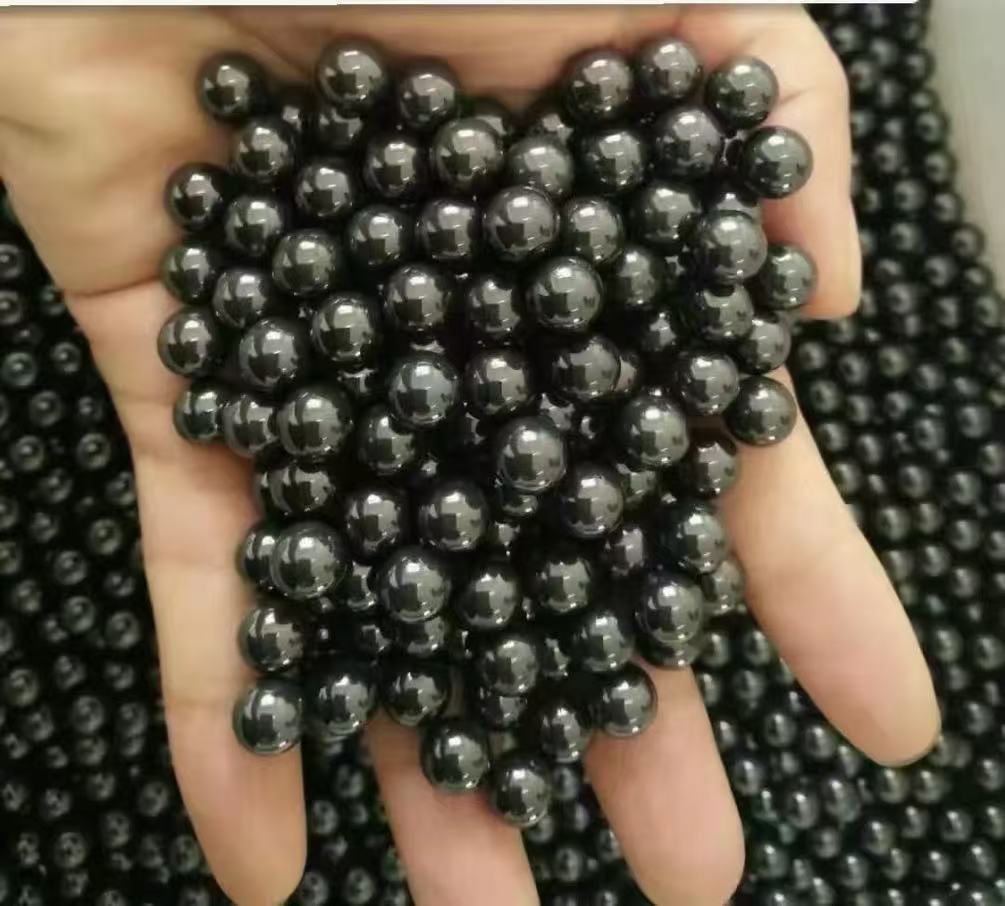
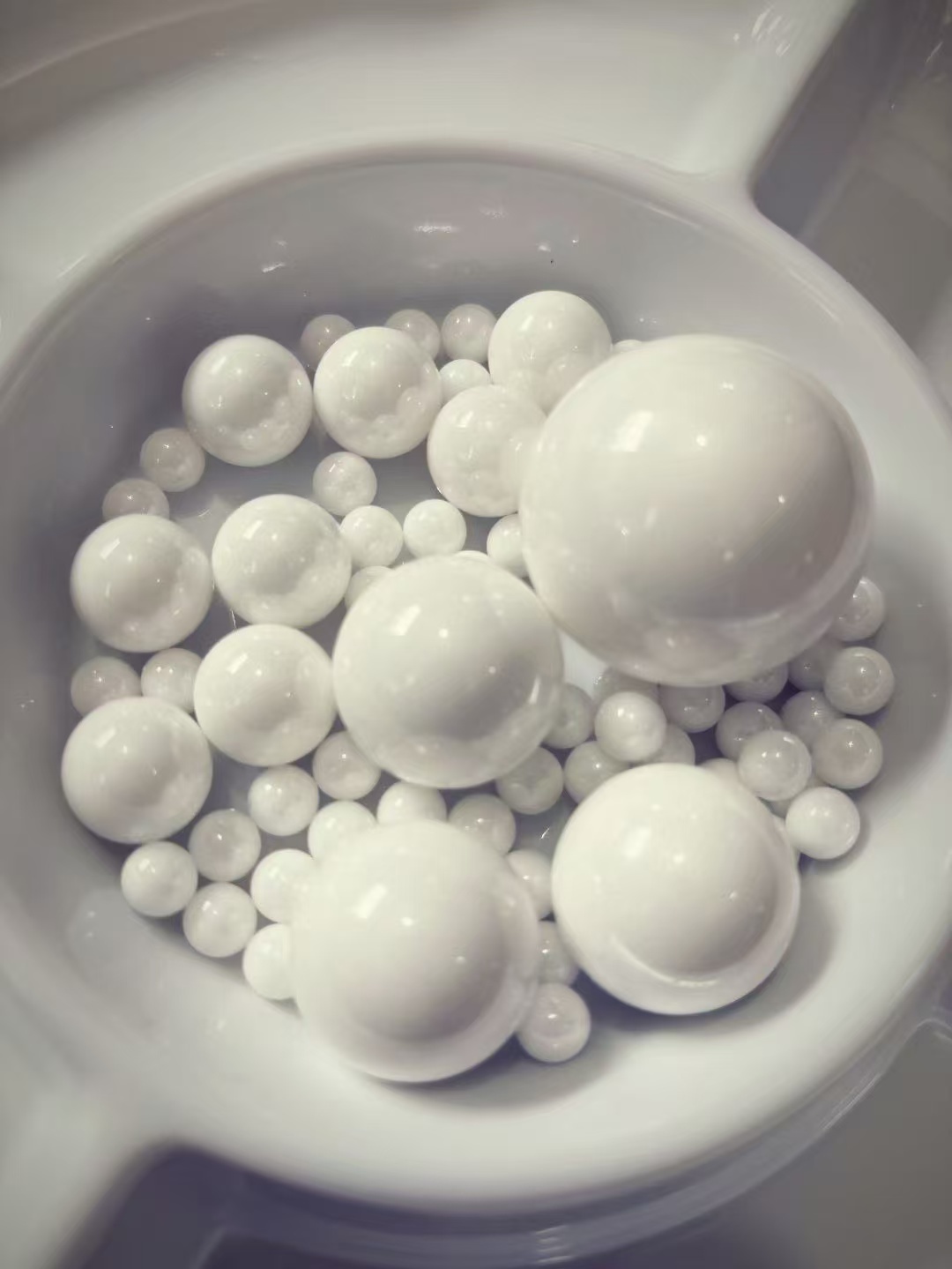
Zirconia, also known as zirconium dioxide (ZrO2), is a ceramic material praised for its hardness, strength, and resistance to wear and corrosion. The 25.4mm size is particularly popular because it strikes a balance between versatility and functionality. These spheres come in various forms, including fully dense and porous types, each serving specific applications.
Unique Properties of Zirconia
The exceptional properties of zirconia spheres make them a preferred choice in various industrial settings:
1. High Hardness and Wear Resistance
Zirconia exhibits remarkable hardness, ranked just below diamond on the Mohs scale. This property ensures that zirconia spheres can withstand extreme conditions without significant degradation, making them ideal for use in harsh environments.
2. Chemical Stability
Zirconia is chemically inert and resistant to corrosion, which means it can endure exposure to aggressive chemicals without compromising its integrity. This quality is crucial for industries that require reliability in chemically challenging environments.
3. Thermal Stability
With a high melting point, zirconia spheres maintain their structural integrity even at elevated temperatures. This thermal stability makes them suitable for applications involving high thermal loads.
4. Low Friction Coefficient
The smooth surface of zirconia spheres results in a low friction coefficient, reducing wear on interacting components. This property contributes to the efficiency and longevity of machinery.
The Manufacturing Process of Zirconia Spheres
Producing high-quality zirconia spheres involves a sophisticated manufacturing process that ensures uniformity and precision.
Raw Material Preparation
The process begins with the selection of raw zirconia powder, which is often combined with stabilizers like yttria to enhance its properties. The right blend of materials is crucial for achieving the desired characteristics of the final product.
Shaping and Sintering
The prepared powder is then shaped into spheres using techniques such as ball milling or press forming. Following shaping, the spheres undergo a sintering process, where they are heated to high temperatures to promote particle bonding and densification. This step is essential for achieving the hardness and strength that zirconia is known for.
Finishing Techniques
After sintering, the spheres may require additional finishing to achieve the desired surface smoothness and dimensional accuracy. Techniques such as grinding and polishing are employed to ensure that the spheres meet strict quality standards.
Applications of 25.4mm Zirconia Spheres in Industrial Settings
The versatility of 25.4mm zirconia spheres allows them to be utilized in numerous applications across various industries.
1. Bearings and Rotating Equipment
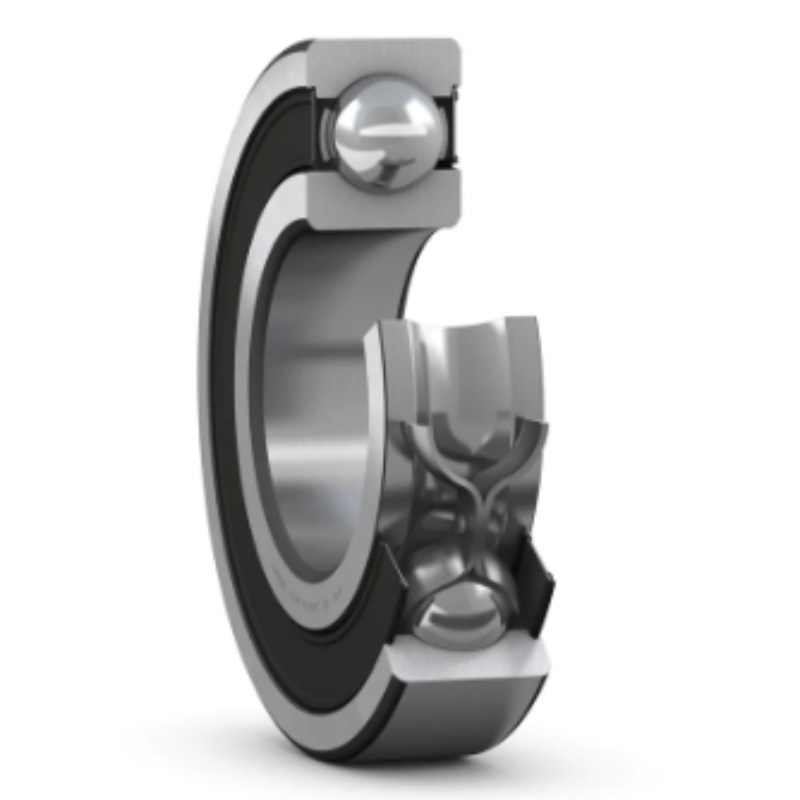
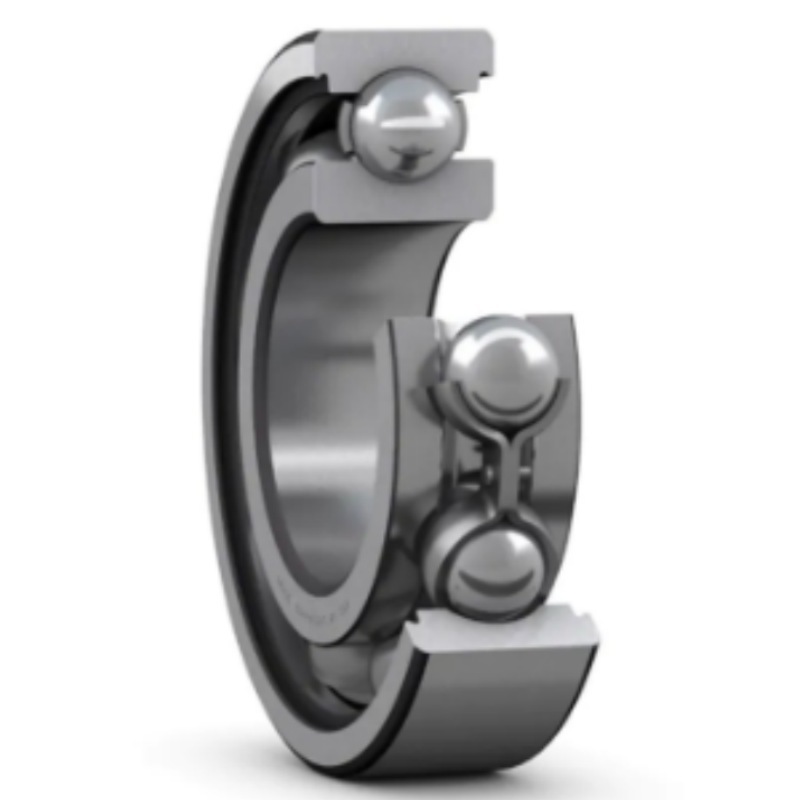
Zirconia spheres are widely used in the manufacturing of bearings due to their low friction and high wear resistance. They enhance the performance of rotating equipment, reducing energy consumption and prolonging service life.
2. Valve Components
In valve assemblies, zirconia spheres serve as sealing elements, providing reliable sealing even under high-pressure conditions. Their chemical stability ensures that they perform effectively in corrosive environments.
3. Medical Devices
Zirconia spheres find applications in the medical field, particularly in dental implants and orthopedic devices. Their biocompatibility and strength make them ideal for use in long-lasting medical solutions.
4. Aerospace and Automotive Industries
In the aerospace and automotive sectors, zirconia spheres contribute to the development of lightweight yet robust components. Their ability to withstand extreme temperatures and pressures makes them suitable for high-performance applications.
5. Electronics and Electrical Components
Zirconia spheres are also employed in electronic applications, such as insulators and capacitors, where their electrical properties are beneficial for enhancing performance and longevity.
Advantages of Using Zirconia Spheres
The adoption of zirconia spheres in industrial applications comes with numerous advantages.
1. Enhanced Durability
Zirconia's inherent properties lead to components that last longer, reducing the frequency of replacements and maintenance in industrial equipment.
2. Cost-Effectiveness
While the initial investment may be higher compared to other materials, the longevity and reduced maintenance needs of zirconia spheres translate into cost savings over time.
3. Improved Performance
The combination of low friction and high wear resistance results in optimized operational efficiency, allowing machinery to run smoother and longer.
Challenges and Considerations
Despite their many benefits, there are some challenges associated with the use of zirconia spheres.
1. Initial Cost
The manufacturing process of zirconia spheres can lead to higher upfront costs. Companies must weigh these costs against the long-term benefits of durability and efficiency.
2. Processing and Handling
Due to their brittleness, zirconia spheres require careful handling during manufacturing and installation to prevent breakage.
Future Trends in Zirconia Sphere Applications
As industries continue to evolve, the demand for advanced materials like zirconia spheres will likely increase. Innovations in manufacturing processes and applications will drive further adoption.
1. Advancements in 3D Printing
The integration of zirconia spheres into additive manufacturing is poised to revolutionize how components are produced, allowing for more intricate designs and reduced waste.
2. Sustainable Practices
With a growing emphasis on sustainability, the ability of zirconia to withstand high temperatures and corrosive environments will be leveraged in eco-friendly applications.
Conclusion
The **25.4mm zirconia spheres** represent a remarkable intersection of science and industrial application. Their unique properties, derived from advanced manufacturing techniques, position them as a vital component across numerous sectors. Industries benefit from their durability, chemical stability, and performance-enhancing characteristics, making zirconia spheres an excellent investment for future-proofing operations. As we continue to explore new frontiers in technology and materials science, the role of zirconia spheres will undoubtedly expand, solidifying their place in the landscape of modern industry.
Frequently Asked Questions (FAQs)
1. What are zirconia spheres used for?
Zirconia spheres are used in various applications, including bearings, valve components, medical devices, aerospace, automotive, and electronics.
2. What makes zirconia spheres superior to other materials?
Zirconia spheres are superior due to their high hardness, wear resistance, chemical stability, thermal stability, and low friction coefficient.
3. How are zirconia spheres manufactured?
Zirconia spheres are manufactured through raw material preparation, shaping, sintering, and finishing techniques to achieve high-quality standards.
4. Are zirconia spheres cost-effective?
While they may have a higher initial cost, their durability and reduced maintenance needs can lead to significant long-term cost savings.
5. Can zirconia spheres be used in harsh environments?
Yes, zirconia spheres are highly resistant to wear and corrosion, making them suitable for use in harsh industrial environments.
News

Products
Contact us
Mobile/WhatsApp: +86-15194016333
E-Mail: xql@hczbbearing.com
Add: 611-12, No.17 Xinzhu Road, Licheng District, Jinan City, Shandong Province, China


Messages