

Understanding Precision Steel Balls G10 and G16: Essential Components for Industrial Applications
Release time:
Sep 04,2026
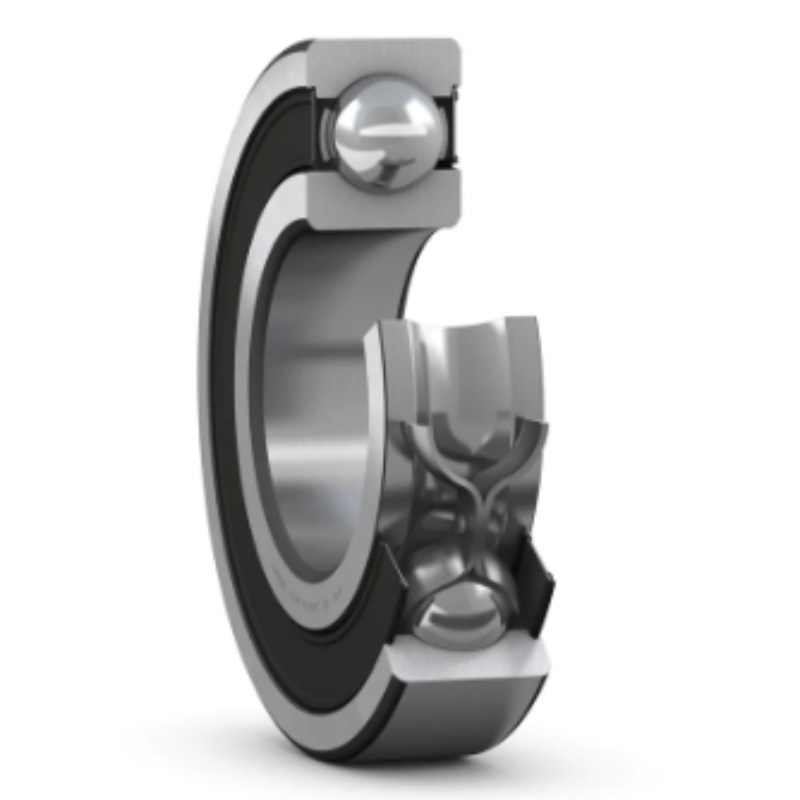
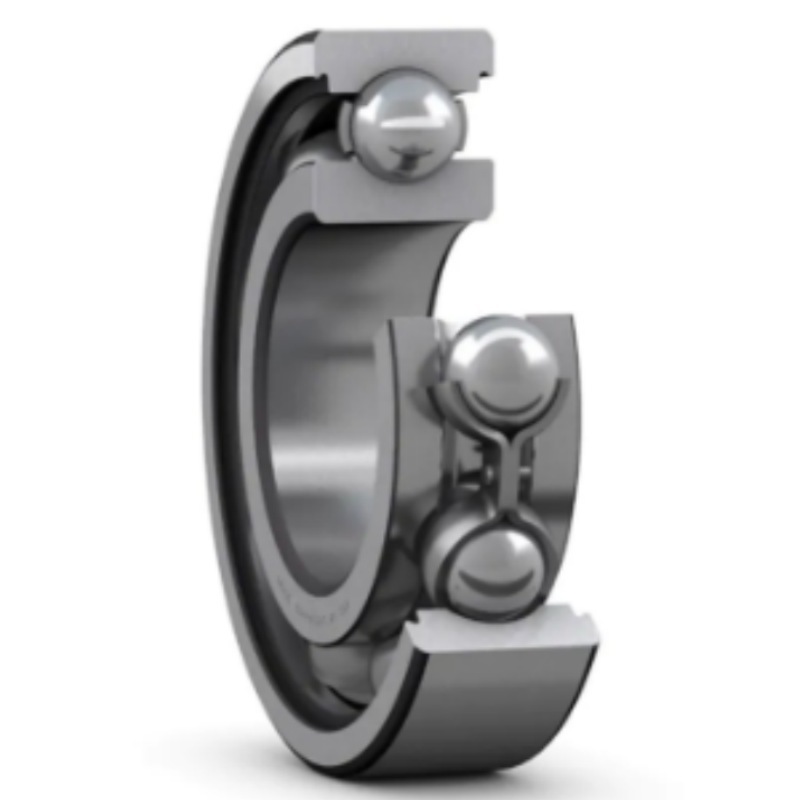
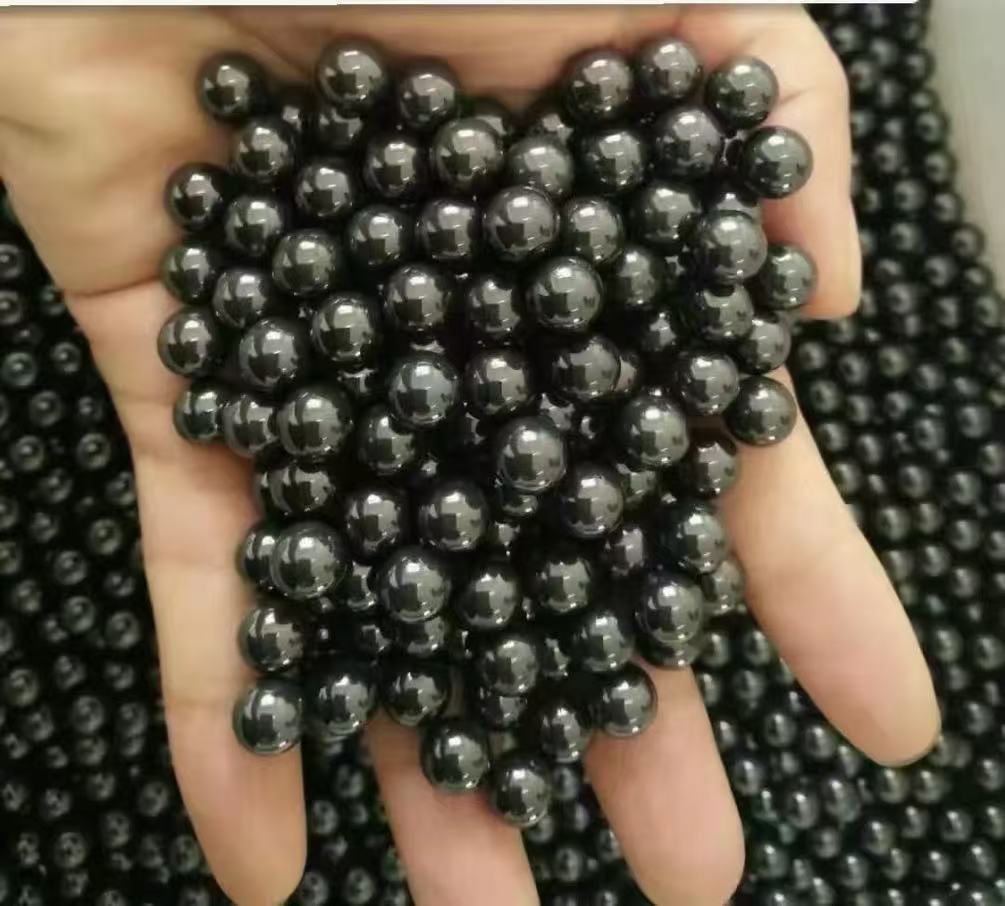
Precision steel balls are integral components in various industrial applications, particularly in the realm of bearings and their accessories. The G10 and G16 designations refer to the tolerance grades of these steel balls, which significantly influence their performance and suitability for specific uses.
The G10 precision steel ball has a diameter tolerance of ±0.00010 inches, making it one of the highest precision standards available. This level of accuracy ensures minimal variance between individual balls, allowing for smoother operation in high-speed and high-load applications. G10 balls are commonly used in precision instruments, aerospace applications, and high-performance machinery where reliability and precision are paramount.
Conversely, G16 precision steel balls have a slightly broader tolerance of ±0.0003 inches. While they are not as tightly controlled as G10 balls, G16 steel balls still offer a high level of precision that is suitable for many applications. These balls are often employed in standard bearings and machinery where the tolerance requirements are less stringent but still demand a level of reliability and performance.
Both G10 and G16 precision steel balls are typically made from high-carbon chromium steel, which enhances their strength and wear resistance. They are often subjected to processes like heat treatment and surface hardening to improve their durability and performance under operational stresses. Additionally, the choice between G10 and G16 often depends on the specific requirements of the application, such as load conditions, speed, and environmental factors.
When selecting precision steel balls for industrial applications, it's crucial to consider not only the tolerance grade but also the ball's surface finish, hardness, and material composition. A well-chosen precision steel ball will contribute to reduced friction, increased lifespan of the bearing assembly, and ultimately, improved overall efficiency of the machinery.
In summary, understanding the differences between G10 and G16 precision steel balls can greatly impact the performance of industrial equipment. By selecting the appropriate grade, engineers and technicians can optimize their systems for reliability and efficiency, ensuring that operations run smoothly and effectively. As such, precision steel balls are not merely components but vital elements that help pave the way for advancements in industrial technology and machinery performance.
The G10 precision steel ball has a diameter tolerance of ±0.00010 inches, making it one of the highest precision standards available. This level of accuracy ensures minimal variance between individual balls, allowing for smoother operation in high-speed and high-load applications. G10 balls are commonly used in precision instruments, aerospace applications, and high-performance machinery where reliability and precision are paramount.
Conversely, G16 precision steel balls have a slightly broader tolerance of ±0.0003 inches. While they are not as tightly controlled as G10 balls, G16 steel balls still offer a high level of precision that is suitable for many applications. These balls are often employed in standard bearings and machinery where the tolerance requirements are less stringent but still demand a level of reliability and performance.
Both G10 and G16 precision steel balls are typically made from high-carbon chromium steel, which enhances their strength and wear resistance. They are often subjected to processes like heat treatment and surface hardening to improve their durability and performance under operational stresses. Additionally, the choice between G10 and G16 often depends on the specific requirements of the application, such as load conditions, speed, and environmental factors.
When selecting precision steel balls for industrial applications, it's crucial to consider not only the tolerance grade but also the ball's surface finish, hardness, and material composition. A well-chosen precision steel ball will contribute to reduced friction, increased lifespan of the bearing assembly, and ultimately, improved overall efficiency of the machinery.
In summary, understanding the differences between G10 and G16 precision steel balls can greatly impact the performance of industrial equipment. By selecting the appropriate grade, engineers and technicians can optimize their systems for reliability and efficiency, ensuring that operations run smoothly and effectively. As such, precision steel balls are not merely components but vital elements that help pave the way for advancements in industrial technology and machinery performance.
News


Products
Contact us
Mobile/WhatsApp: +86-15194016333
E-Mail: xql@hczbbearing.com
Add: 611-12, No.17 Xinzhu Road, Licheng District, Jinan City, Shandong Province, China


Messages