

The Environmental Impact of Using Precision Steel Balls G10 and G16: An In-Depth Analysis
Release time:
Apr 08,2026
The Environmental Impact of Using Precision Steel Balls G10 and G16
Introduction
The manufacturing and industrial sectors are evolving towards greater sustainability. Among the key components that support various machinery and equipment are precision steel balls, particularly G10 and G16 grades. While these elements play a critical role in enhancing performance and durability, their environmental implications cannot be overlooked. Understanding the complete lifecycle of these precision steel balls is essential for both manufacturers and consumers who are aiming for eco-friendly practices.
1. Understanding Precision Steel Balls: G10 and G16 Grades
1.1 What Are Precision Steel Balls?
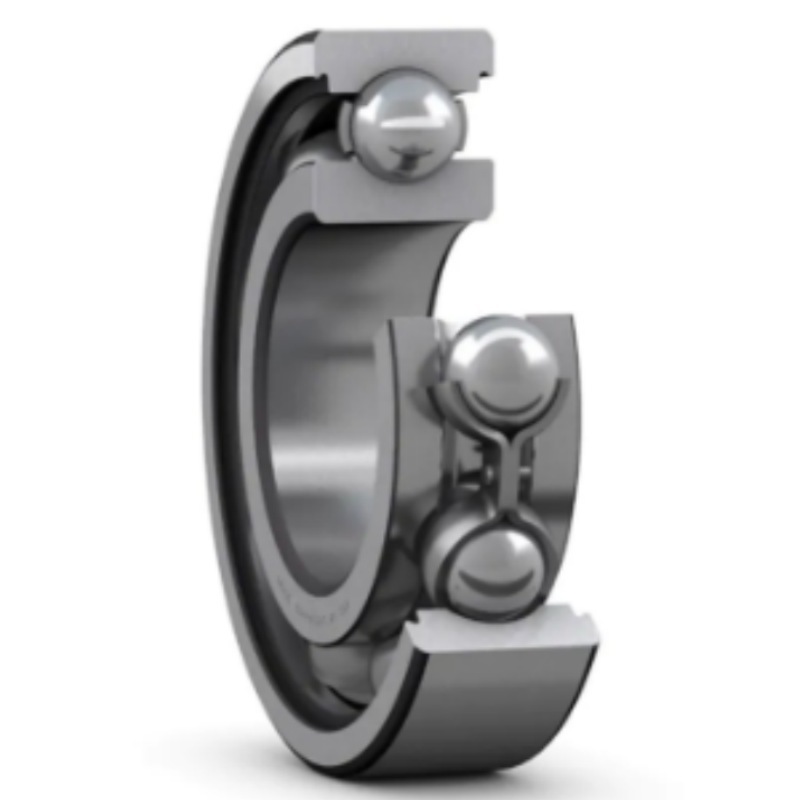
Precision steel balls are small, spherical components made from high-quality steel. They are used in a variety of applications, from bearings to automotive parts, due to their durability and low friction characteristics.
1.2 The Differences Between G10 and G16 Balls
G10 and G16 refer to the grade of precision balls, with G10 having tighter tolerance levels than G16. G10 balls have a diameter tolerance of ±0.001 inches, whereas G16 balls have a tolerance of ±0.002 inches. This precision is crucial in applications that demand high reliability and performance.
2. The Manufacturing Process of Precision Steel Balls
2.1 Raw Materials and Energy Consumption
The production of precision steel balls begins with raw materials, typically high-carbon steel. This process involves significant energy consumption, primarily from the melting and forging stages. The environmental impact stems from the carbon footprint associated with steel production, which contributes to greenhouse gas emissions.
2.2 Pollution and Waste Generated
Manufacturing precision steel balls also generates waste materials, including scrap metal and chemical byproducts from treatments and coatings. These waste products can pose environmental hazards if not managed effectively.
3. Lifecycle Analysis: From Production to Disposal
3.1 The Use Phase
During their operational lifespan, precision steel balls help reduce friction in machinery, leading to improved energy efficiency. This reduction in energy consumption can mitigate some environmental impacts during usage, although their overall sustainability is contingent on the energy sources utilized.
3.2 End-of-Life Considerations
At the end of their lifecycle, precision steel balls can be recycled. However, the effectiveness of recycling processes varies, and improper disposal can lead to environmental contamination.
4. Environmental Impact Assessment
4.1 Carbon Footprint Analysis
The carbon footprint of G10 and G16 steel balls is significant due to their energy-intensive production processes. A comprehensive analysis reveals that reducing energy use in manufacturing can lead to lower emissions throughout the lifecycle.
4.2 Resource Depletion
The extraction of raw materials for steel production contributes to resource depletion and habitat destruction. Sustainable sourcing practices are necessary to mitigate these effects.
5. Sustainable Practices in Manufacturing
5.1 Innovations in Production Techniques
Advanced manufacturing technologies, such as electric arc furnaces and renewable energy sources, can significantly reduce the environmental impact of producing precision steel balls.
5.2 Eco-Friendly Alternatives
Exploring alternatives to traditional steel, such as biodegradable materials or recycled metals, can further enhance sustainability within the industry.
6. Regulatory Framework and Standards
6.1 Environmental Regulations in Steel Production
Various agencies enforce regulations aimed at minimizing the environmental footprint of manufacturing processes. Compliance with these standards is crucial for manufacturers of precision steel balls.
6.2 Certifications for Sustainable Practices
Manufacturers can obtain certifications for sustainable practices, enhancing their marketability and aligning with consumer demand for environmentally friendly products.
7. The Role of Consumers in Promoting Sustainability
7.1 Informed Decision-Making
Consumers can drive change by choosing products made from sustainably sourced materials. This demand encourages manufacturers to adopt environmentally responsible practices.
7.2 Supporting Sustainable Brands
By supporting brands that prioritize sustainability, consumers can influence market trends and help reduce the overall environmental impact of precision steel balls.
8. FAQs about the Environmental Impact of Precision Steel Balls G10 and G16
8.1 What are the main environmental concerns related to precision steel balls?
The main concerns include their carbon footprint during production, resource depletion, and waste generated throughout their lifecycle.
8.2 How can manufacturers reduce the environmental impact of steel ball production?
Manufacturers can adopt energy-efficient technologies, use recycled materials, and comply with environmental regulations to minimize their impact.
8.3 Are G10 balls more environmentally friendly than G16 balls?
While the grade itself does not directly impact sustainability, the production processes can differ significantly, affecting their respective environmental footprints.
8.4 What recycling options are available for precision steel balls?
Precision steel balls can often be recycled as scrap metal. However, proper recycling channels must be utilized to ensure minimal environmental impact.
8.5 How can consumers promote sustainability in this industry?
Consumers can choose products from manufacturers that prioritize sustainable practices and support innovations in eco-friendly materials.
Conclusion
The environmental impact of using precision steel balls, particularly G10 and G16 grades, is multifaceted. From their energy-intensive production processes to their end-of-life considerations, these components pose significant challenges. However, with advancements in manufacturing technologies, regulatory compliance, and informed consumer choices, we can pave the way for a more sustainable future. By recognizing our shared responsibility in this process, we can work collaboratively towards reducing the environmental footprint of precision steel balls while still meeting industrial demands.
Previous
News
Products
Contact us
Mobile/WhatsApp: +86-15194016333
E-Mail: xql@hczbbearing.com
Add: 611-12, No.17 Xinzhu Road, Licheng District, Jinan City, Shandong Province, China


Messages