

Understanding Precision Steel Balls G10 and G16: Key Attributes and Applications
Release time:
Apr 23,2026
Precision steel balls are integral components in numerous industrial applications, particularly in the realm of bearings and related accessories. Among the various grades available, G10 and G16 precision steel balls stand out due to their specific tolerances and performance characteristics. Understanding these grades and their distinct features will aid in selecting the appropriate components for your industrial needs.
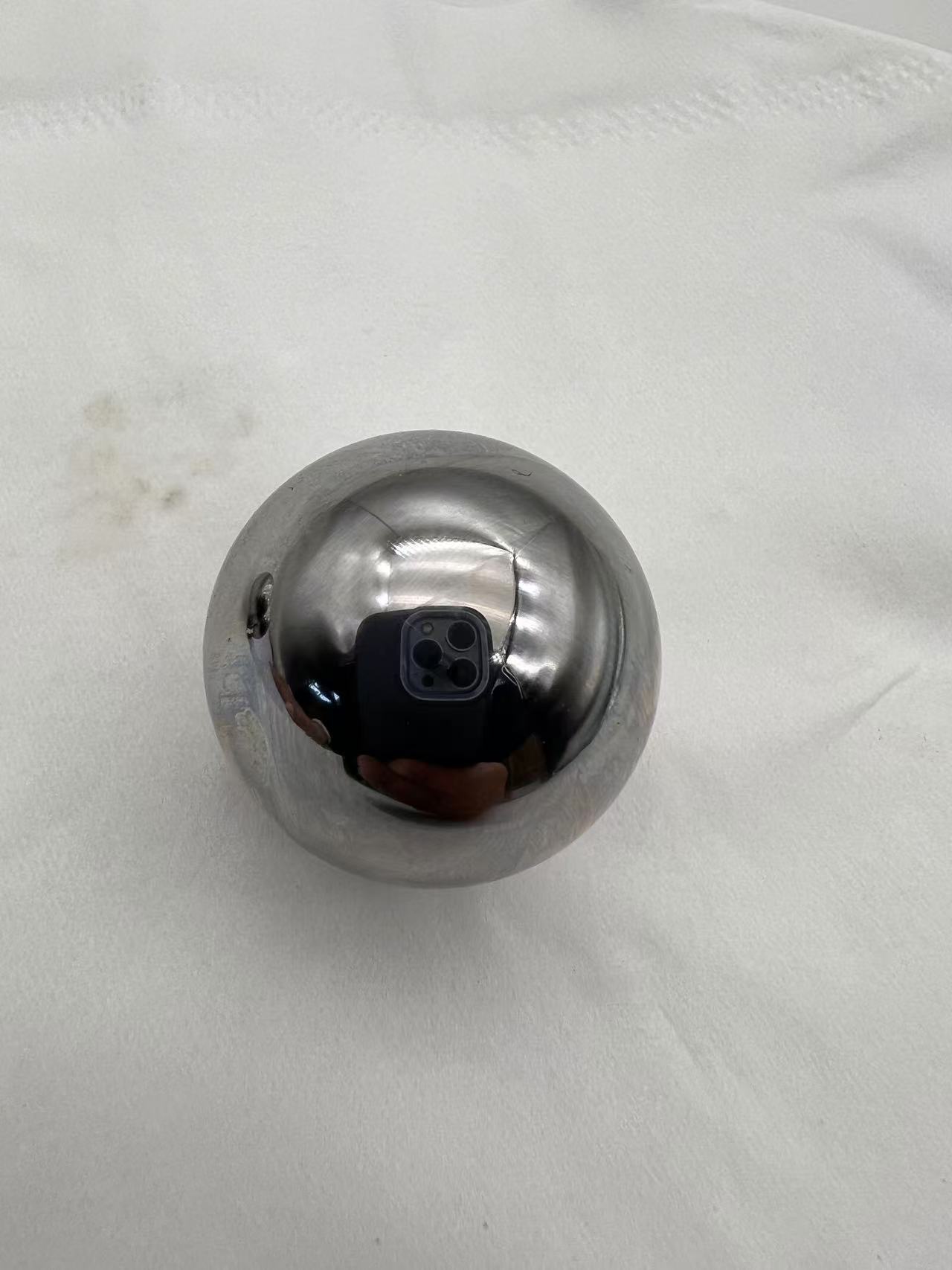
G10 precision steel balls are manufactured to a high standard, featuring a diameter tolerance of ±0.0001 inches (±0.00254 mm). This degree of precision ensures that they fit seamlessly into applications requiring tight tolerances, such as high-performance bearings, aerospace components, and precision machinery. The G10 grade is often made from high-carbon chromium steel, which provides excellent durability and resistance to wear. This makes G10 balls ideal for applications that involve high speeds and loads, where reliable performance is critical.
On the other hand, G16 precision steel balls have a slightly looser tolerance of ±0.0002 inches (±0.00508 mm). While they are not as precise as G10 balls, they still offer a good balance of performance and cost-effectiveness. G16 balls are commonly used in applications where some degree of precision is required, but the utmost accuracy of G10 is not necessary. Industries such as automotive and general machinery often utilize G16 balls for their reliability and affordability.
Both G10 and G16 precision steel balls are available in various diameters, allowing for versatility in design and application. The choice between these two grades largely depends on the specific requirements of the application, including load capacity, speed, and the operational environment. For instance, in high-speed applications, G10 balls would be favored for their tighter tolerances, while G16 balls might be chosen for less demanding scenarios.
Moreover, the surface finish of precision steel balls plays a crucial role in their performance. A smoother surface reduces friction, enhances durability, and minimizes wear, which is especially important in high-speed applications. When selecting steel balls, it’s essential to consider not only the grade but also the surface finish provided during manufacturing.
In conclusion, precision steel balls G10 and G16 are fundamental components in the industrial sector, each offering unique benefits tailored to different applications. Understanding their specifications, tolerances, and material properties will empower you to make informed decisions that enhance the efficiency and reliability of your machinery and equipment. Whether you need the utmost precision of G10 or the balanced performance of G16, precision steel balls are vital for optimal operational success.
G10 precision steel balls are manufactured to a high standard, featuring a diameter tolerance of ±0.0001 inches (±0.00254 mm). This degree of precision ensures that they fit seamlessly into applications requiring tight tolerances, such as high-performance bearings, aerospace components, and precision machinery. The G10 grade is often made from high-carbon chromium steel, which provides excellent durability and resistance to wear. This makes G10 balls ideal for applications that involve high speeds and loads, where reliable performance is critical.
On the other hand, G16 precision steel balls have a slightly looser tolerance of ±0.0002 inches (±0.00508 mm). While they are not as precise as G10 balls, they still offer a good balance of performance and cost-effectiveness. G16 balls are commonly used in applications where some degree of precision is required, but the utmost accuracy of G10 is not necessary. Industries such as automotive and general machinery often utilize G16 balls for their reliability and affordability.
Both G10 and G16 precision steel balls are available in various diameters, allowing for versatility in design and application. The choice between these two grades largely depends on the specific requirements of the application, including load capacity, speed, and the operational environment. For instance, in high-speed applications, G10 balls would be favored for their tighter tolerances, while G16 balls might be chosen for less demanding scenarios.
Moreover, the surface finish of precision steel balls plays a crucial role in their performance. A smoother surface reduces friction, enhances durability, and minimizes wear, which is especially important in high-speed applications. When selecting steel balls, it’s essential to consider not only the grade but also the surface finish provided during manufacturing.
In conclusion, precision steel balls G10 and G16 are fundamental components in the industrial sector, each offering unique benefits tailored to different applications. Understanding their specifications, tolerances, and material properties will empower you to make informed decisions that enhance the efficiency and reliability of your machinery and equipment. Whether you need the utmost precision of G10 or the balanced performance of G16, precision steel balls are vital for optimal operational success.
News


Products
Contact us
Mobile/WhatsApp: +86-15194016333
E-Mail: xql@hczbbearing.com
Add: 611-12, No.17 Xinzhu Road, Licheng District, Jinan City, Shandong Province, China


Messages