

quality Angular contact ball bearings
Release time:
Apr 24,2026
In modern industrial equipment, bearings are required not only to support radial loads but also, frequently, to simultaneously withstand significant axial forces. Angular Contact Ball Bearings are designed specifically for such operating conditions and are widely utilized in machine tool spindles, automotive systems, precision equipment, and high-speed transmission mechanisms.
I. Product Structure and Design Principles
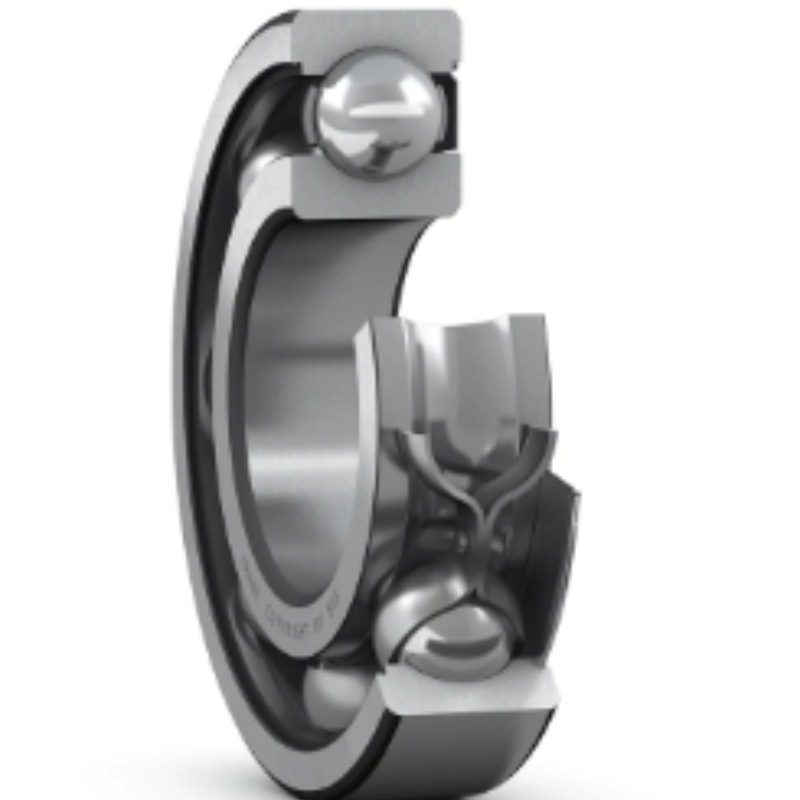
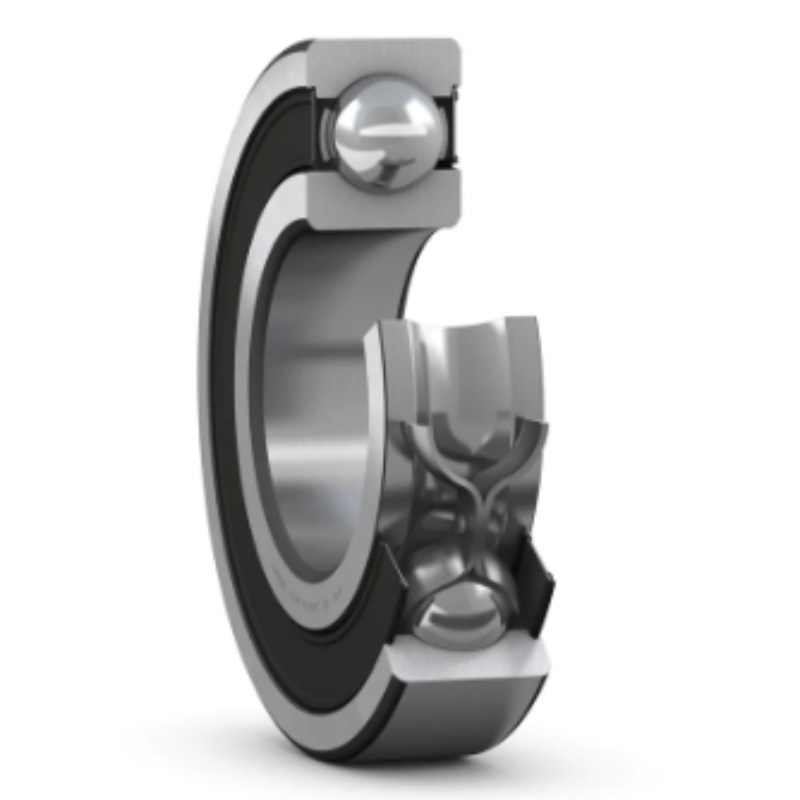
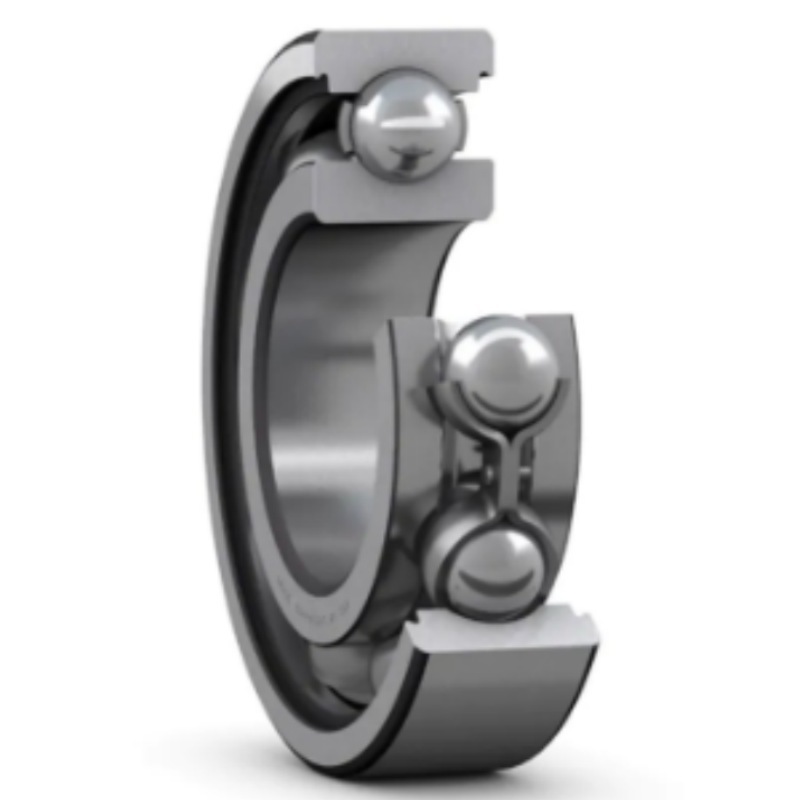
Angular Contact Ball Bearings consist of an inner ring, an outer ring, steel balls, and a cage. Their defining characteristic is the specific contact angle formed between the raceways and the contact points of the steel balls. This contact angle typically comes in various specifications—such as 15°, 25°, or 40°—and determines the bearing's capacity to withstand axial loads. A larger contact angle corresponds to a higher axial load-carrying capacity, though it results in a relatively lower speed capability.
II. Load-Carrying Capacity and Performance Advantages
Compared to standard deep groove ball bearings, Angular Contact Ball Bearings are capable of simultaneously supporting both radial and unidirectional axial loads, making them particularly well-suited for applications involving combined loads. In high-speed operating environments, their low rolling friction and minimal heat generation ensure stable and reliable operation. Furthermore, by being installed in pairs—such as in back-to-back, face-to-face, or tandem configurations—they can accommodate bidirectional axial loads and enhance the overall rigidity of the system.

III. High Precision and High Rigidity Performance
Angular Contact Ball Bearings are frequently employed in equipment demanding extremely high precision, such as CNC machine tool spindles and precision instruments. Their internal clearance can be adjusted through preloading, thereby enhancing rotational accuracy and axial rigidity. This capability is of critical importance for minimizing vibration and improving machining precision.
IV. Adaptability to High-Speed Operation
These bearings feature optimized raceway designs and utilize high-quality materials, making them suitable for high-speed—and even ultra-high-speed—operating environments. Certain high-end variants incorporate ceramic balls, which further reduce centrifugal forces and friction, thereby increasing speed limits and extending service life.
V. Installation and Usage Considerations
Angular Contact Ball Bearings typically require installation in pairs or multiple sets to effectively balance axial forces. During installation, it is imperative to strictly control the preload force and the mounting orientation; failure to do so may compromise performance or even shorten the bearing's service life. Additionally, ensuring adequate lubrication conditions is essential to minimize wear and prevent excessive temperature rise.
VI. Wide-Ranging Applications
Angular Contact Ball Bearings are widely utilized across various sectors, including machine tools, aerospace, automotive engines, pumping equipment, and high-speed motors. They play an indispensable role, particularly in applications demanding high rotational speeds, high precision, and high rigidity.
Distinguished by their exceptional combined load-carrying capacity, high-precision performance, and excellent suitability for high-speed operation, Angular Contact Ball Bearings have emerged as critical components in high-end equipment manufacturing. As advancements in materials and manufacturing technologies continue, the scope of their application is set to expand even further, providing increasingly robust support for industrial development.
News


Products
Contact us
Mobile/WhatsApp: +86-15194016333
E-Mail: xql@hczbbearing.com
Add: 611-12, No.17 Xinzhu Road, Licheng District, Jinan City, Shandong Province, China


Messages