

The Science Behind Silicon Nitride Ceramic Balls and Their Applications
Release time:
May 20,2026
The Science Behind Silicon Nitride Ceramic Balls and Their Applications
Table of Contents
- 1. Introduction to Silicon Nitride Ceramic Balls
- 2. What is Silicon Nitride?
- 3. Key Properties of Silicon Nitride Ceramic Balls
- 4. Manufacturing Process of Silicon Nitride Ceramic Balls
- 5. Applications of Silicon Nitride Ceramic Balls
- 6. Advantages of Using Silicon Nitride Ceramic Balls
- 7. Comparison with Other Materials
- 8. Future Trends in Silicon Nitride Ceramic Technology
- 9. Frequently Asked Questions
- 10. Conclusion
1. Introduction to Silicon Nitride Ceramic Balls
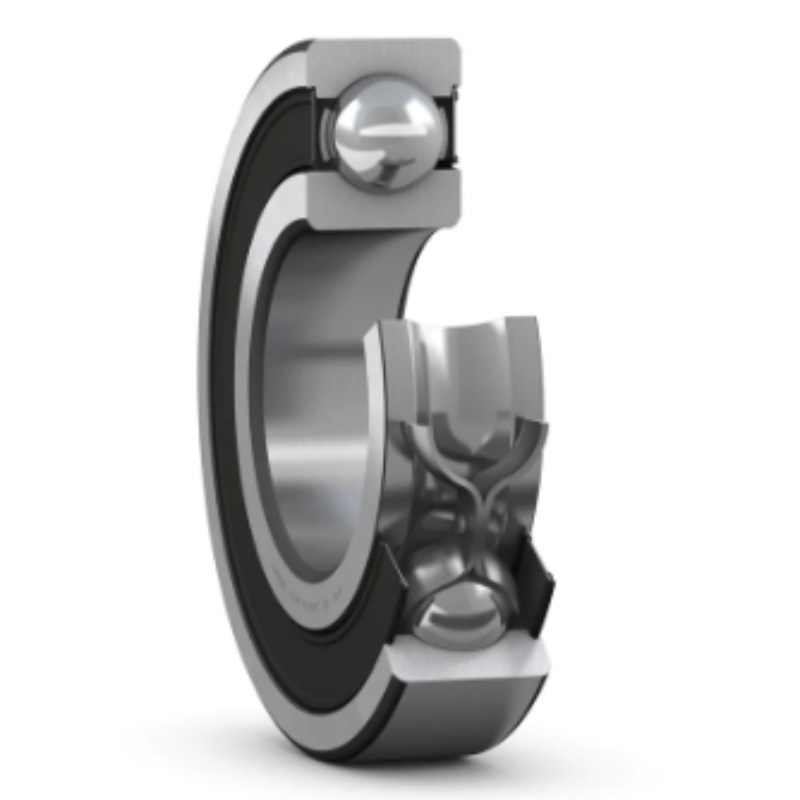
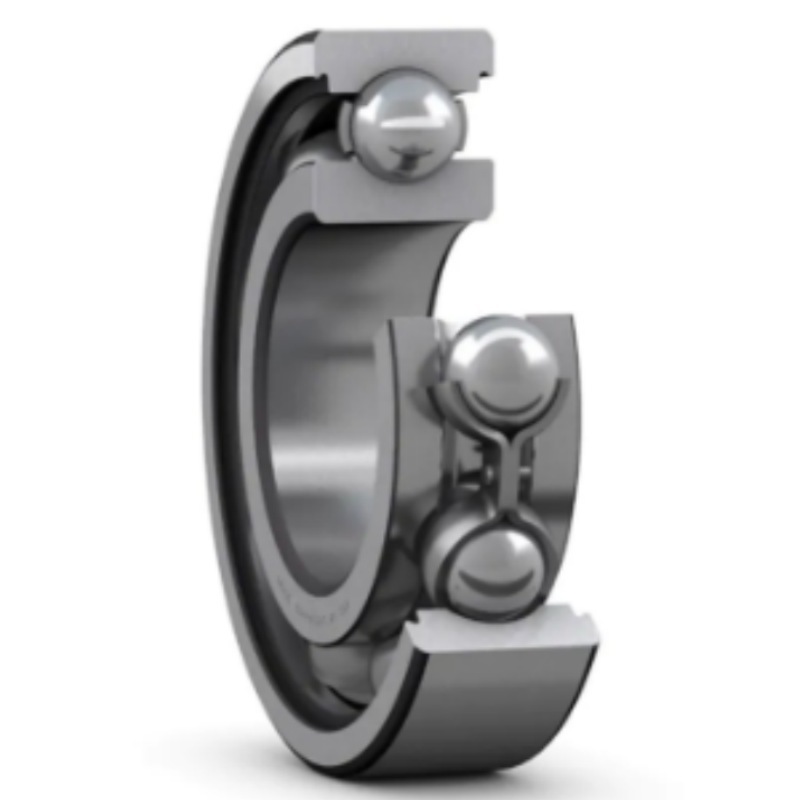
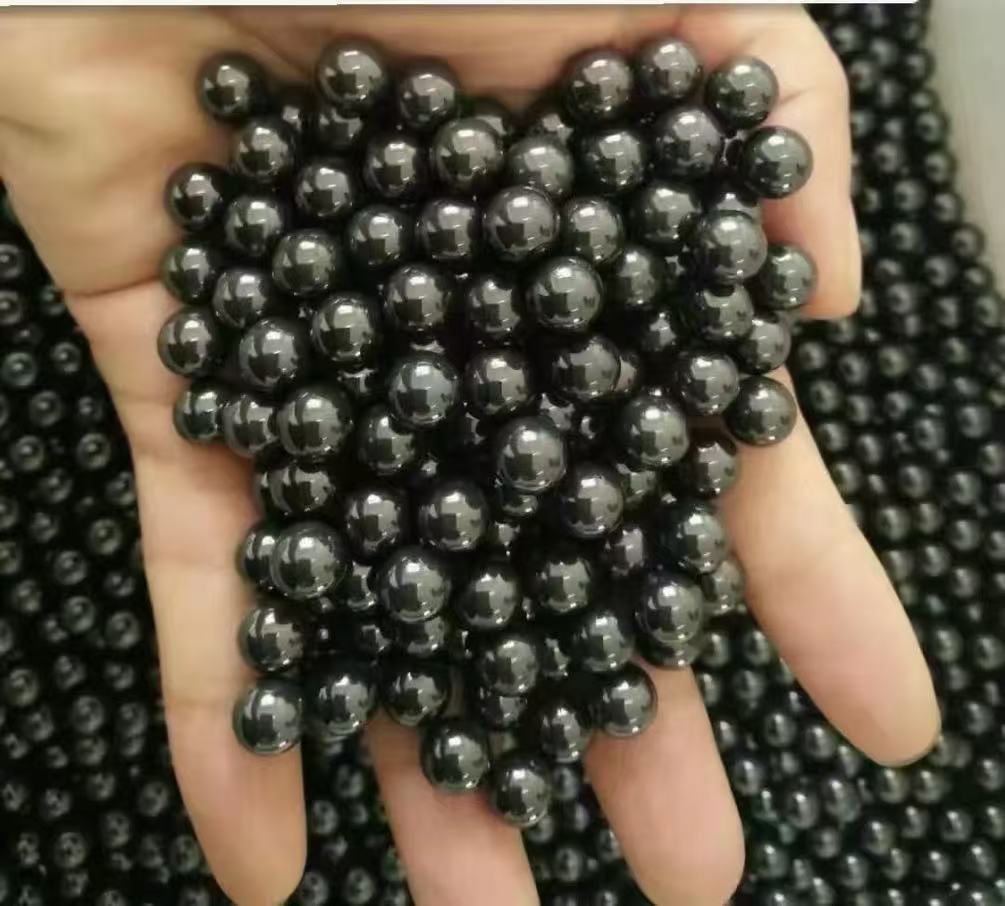
Silicon nitride ceramic balls have emerged as a groundbreaking solution in various high-performance applications. Renowned for their remarkable properties, these balls represent a fusion of advanced materials science and engineering. This article aims to provide an in-depth analysis of silicon nitride ceramic balls, focusing on their unique characteristics, manufacturing processes, and diverse applications across multiple industries.
2. What is Silicon Nitride?
Silicon nitride (Si3N4) is a non-oxide ceramic material that exhibits exceptional mechanical properties. It is a compound of silicon and nitrogen, forming a hard, robust structure suitable for demanding environments. Silicon nitride is known for its high thermal stability, low thermal conductivity, and excellent wear resistance. As a result, it has solidified its position in various industrial applications, particularly where traditional materials fall short.
3. Key Properties of Silicon Nitride Ceramic Balls
Silicon nitride ceramic balls are characterized by several unique properties that make them ideal for various applications. The following are some of the key features:
3.1 High Hardness and Strength
Silicon nitride boasts a hardness level significantly higher than that of steel, which translates into superior wear resistance. This property allows silicon nitride ceramic balls to perform exceptionally well in applications involving high loads and friction.
3.2 Low Density
These ceramic balls have a lower density compared to traditional materials, such as steel. This feature contributes to weight reduction in mechanical assemblies, enhancing overall efficiency.
3.3 Excellent Thermal Stability
Silicon nitride can withstand high temperatures without losing its structural integrity. This ability makes it suitable for applications involving heat exposure, such as in aerospace and automotive industries.
3.4 Corrosion Resistance
Unlike metals, silicon nitride is resistant to chemical corrosion. This property is crucial for applications in harsh environments, such as chemical processing and oil and gas industries.
3.5 Low Friction Coefficient
Silicon nitride ceramic balls exhibit a low friction coefficient, resulting in reduced energy consumption and improved efficiency in rotating machinery.
4. Manufacturing Process of Silicon Nitride Ceramic Balls
The production of silicon nitride ceramic balls involves several steps, ensuring that the final product meets stringent quality standards.
4.1 Raw Material Preparation
The primary raw materials for silicon nitride production include silicon powder and nitrogen gas. These components undergo careful processing to achieve the desired purity and particle size.
4.2 Synthesis
The synthesized silicon powder is subjected to a high-temperature reaction in a nitrogen atmosphere. This process results in the formation of silicon nitride through chemical bonding.
4.3 Shaping
After synthesis, the silicon nitride is shaped into balls through techniques such as isostatic pressing or slip casting. This stage is critical to achieving uniform density and size.
4.4 Sintering
The shaped balls undergo a sintering process, where they are heated to a temperature below their melting point. This step enhances the mechanical properties of the balls by promoting densification.
4.5 Finishing
Finally, the ceramic balls are finely ground and polished to achieve smooth surfaces and precise dimensions, ensuring optimal performance in applications.
5. Applications of Silicon Nitride Ceramic Balls
Silicon nitride ceramic balls are utilized across various industries due to their unique properties. Here are some key applications:
5.1 Aerospace Industry
In the aerospace sector, silicon nitride ceramic balls are used in bearings and components that require lightweight materials with high strength and thermal stability. Their ability to withstand extreme conditions makes them invaluable for aircraft engines and landing gear systems.
5.2 Automotive Industry
The automotive industry employs silicon nitride ceramic balls in applications such as turbochargers and high-performance racing engines. They contribute to improved fuel efficiency and reduced emissions through enhanced performance and durability.
5.3 Medical Equipment
Silicon nitride's biocompatibility and corrosion resistance make it an ideal material for medical devices. It is used in prosthetics and implantable devices, offering longevity and reliability in critical applications.
5.4 Energy Sector
In the energy sector, silicon nitride ceramic balls are utilized in wind turbine bearings and geothermal power systems. Their ability to operate in extreme temperatures and resist wear enhances the efficiency of energy production.
6. Advantages of Using Silicon Nitride Ceramic Balls
The use of silicon nitride ceramic balls provides several competitive advantages, including:
- **Extended lifespan**: Their durability reduces the need for frequent replacements, leading to cost savings.
- **Improved performance**: Enhanced wear resistance and low friction contribute to better machine efficiency.
- **Versatility**: Silicon nitride ceramic balls can be adapted for various applications across different industries.
- **Lightweight**: Their low density contributes to lighter assemblies, improving overall system performance.
7. Comparison with Other Materials
When considering performance, silicon nitride ceramic balls outperform many traditional materials. For example, compared to steel balls, silicon nitride offers:
7.1 Wear Resistance
Silicon nitride exhibits superior wear resistance, leading to longer service life and less frequent replacements.
7.2 Temperature Tolerance
Unlike metals, which can lose integrity at high temperatures, silicon nitride maintains its properties in extreme conditions.
7.3 Weight
The lightweight nature of silicon nitride aids in reducing overall equipment weight, enhancing efficiency.
8. Future Trends in Silicon Nitride Ceramic Technology
The future of silicon nitride ceramic technology looks promising, with ongoing research focused on:
8.1 Advanced Manufacturing Techniques
Innovations in 3D printing and additive manufacturing are expected to revolutionize the production of silicon nitride components, leading to more complex geometries and reduced costs.
8.2 Improved Biocompatibility
As medical applications continue to expand, research is aimed at enhancing the biocompatibility of silicon nitride for use in advanced medical devices and implants.
8.3 Sustainable Practices
Efforts to develop more sustainable manufacturing practices for silicon nitride ceramics are underway, aligning with global environmental goals.
9. Frequently Asked Questions
9.1 What are silicon nitride ceramic balls used for?
Silicon nitride ceramic balls are utilized in various applications, including aerospace, automotive, medical devices, and energy sectors due to their high strength, low weight, and excellent thermal stability.
9.2 How are silicon nitride ceramic balls manufactured?
They are produced through a process involving raw material preparation, synthesis, shaping, sintering, and finishing to ensure optimal performance and quality.
9.3 What are the advantages of silicon nitride over traditional materials?
Silicon nitride offers superior wear resistance, lightweight properties, and high-temperature tolerance compared to traditional materials like steel.
9.4 Are silicon nitride ceramic balls expensive?
While they may have a higher initial cost than some traditional materials, their longevity and reduced maintenance needs can lead to long-term cost savings.
9.5 Can silicon nitride ceramic balls be recycled?
Currently, recycling silicon nitride can be challenging due to its unique properties, but ongoing research is exploring sustainable practices for end-of-life management.
10. Conclusion
Silicon nitride ceramic balls represent a significant advancement in material science, offering unique properties that cater to the demands of modern industry. From aerospace to medical applications, their advantages are undeniable, making them a preferred choice for high-performance machinery and equipment. As research and technology continue to evolve, silicon nitride is poised to play an even more critical role in various sectors, paving the way for innovative applications and sustainable practices. Understanding the science behind these remarkable materials not only highlights their current uses but also points to future possibilities that can enhance efficiency and performance across industries.
News

Products
Contact us
Mobile/WhatsApp: +86-15194016333
E-Mail: xql@hczbbearing.com
Add: 611-12, No.17 Xinzhu Road, Licheng District, Jinan City, Shandong Province, China


Messages