

Understanding Precision Steel Balls G10 and G16: Essential Insights for Industrial Applications
Release time:
Jul 26,2026
---
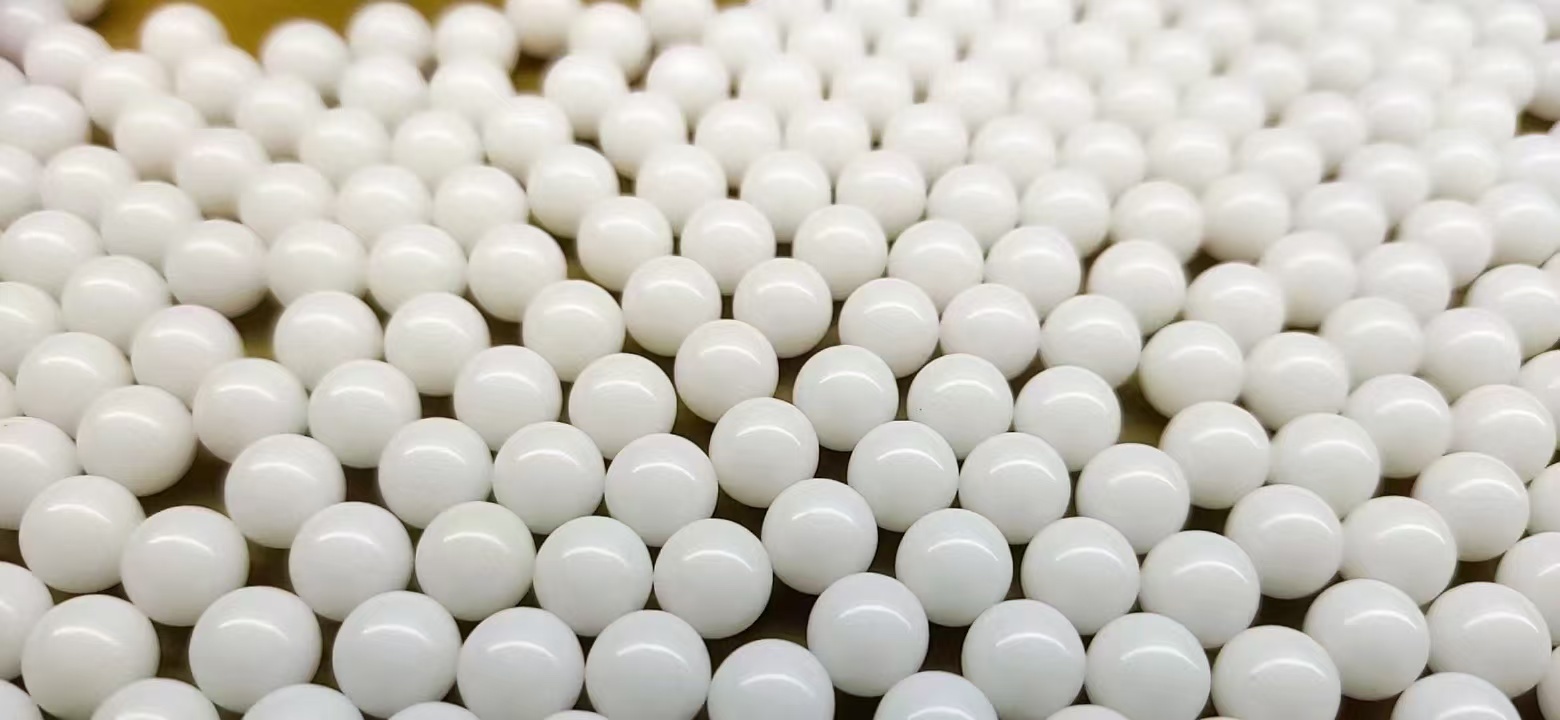
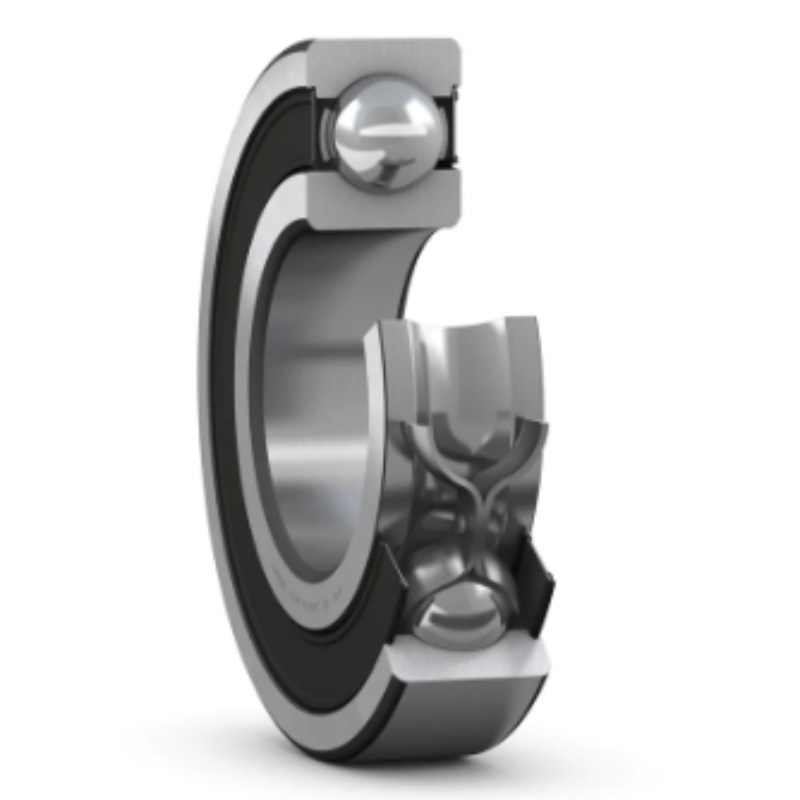
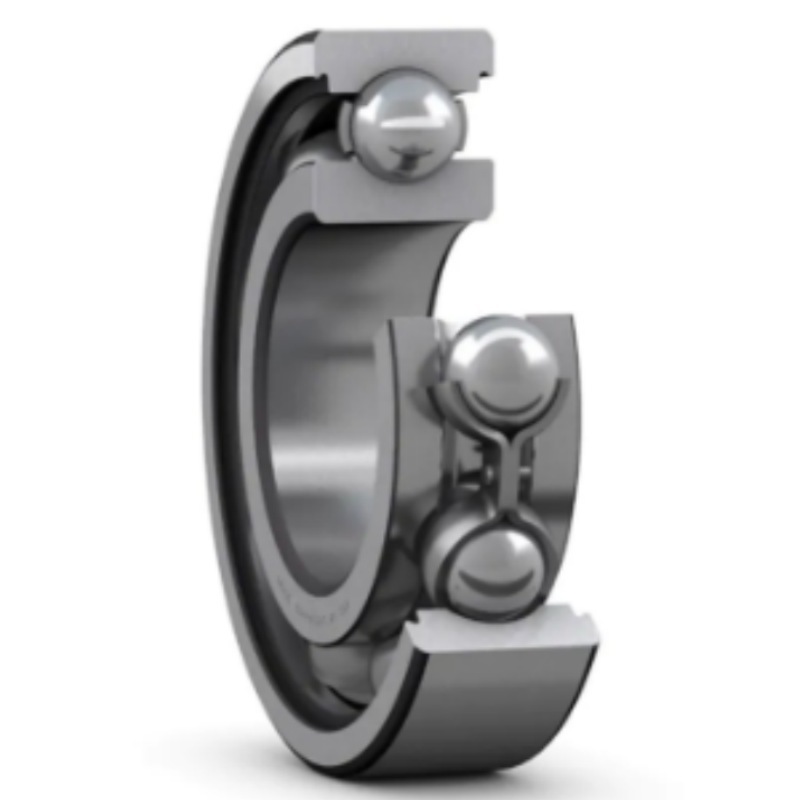
Precision steel balls are critical components utilized in a vast array of industrial applications, especially in the realm of bearings and related attachments. Among the commonly referenced grades of these steel balls are G10 and G16, which denote different levels of precision and quality. Understanding these specifications can significantly impact the performance and reliability of mechanical systems.
### What Are Precision Steel Balls?
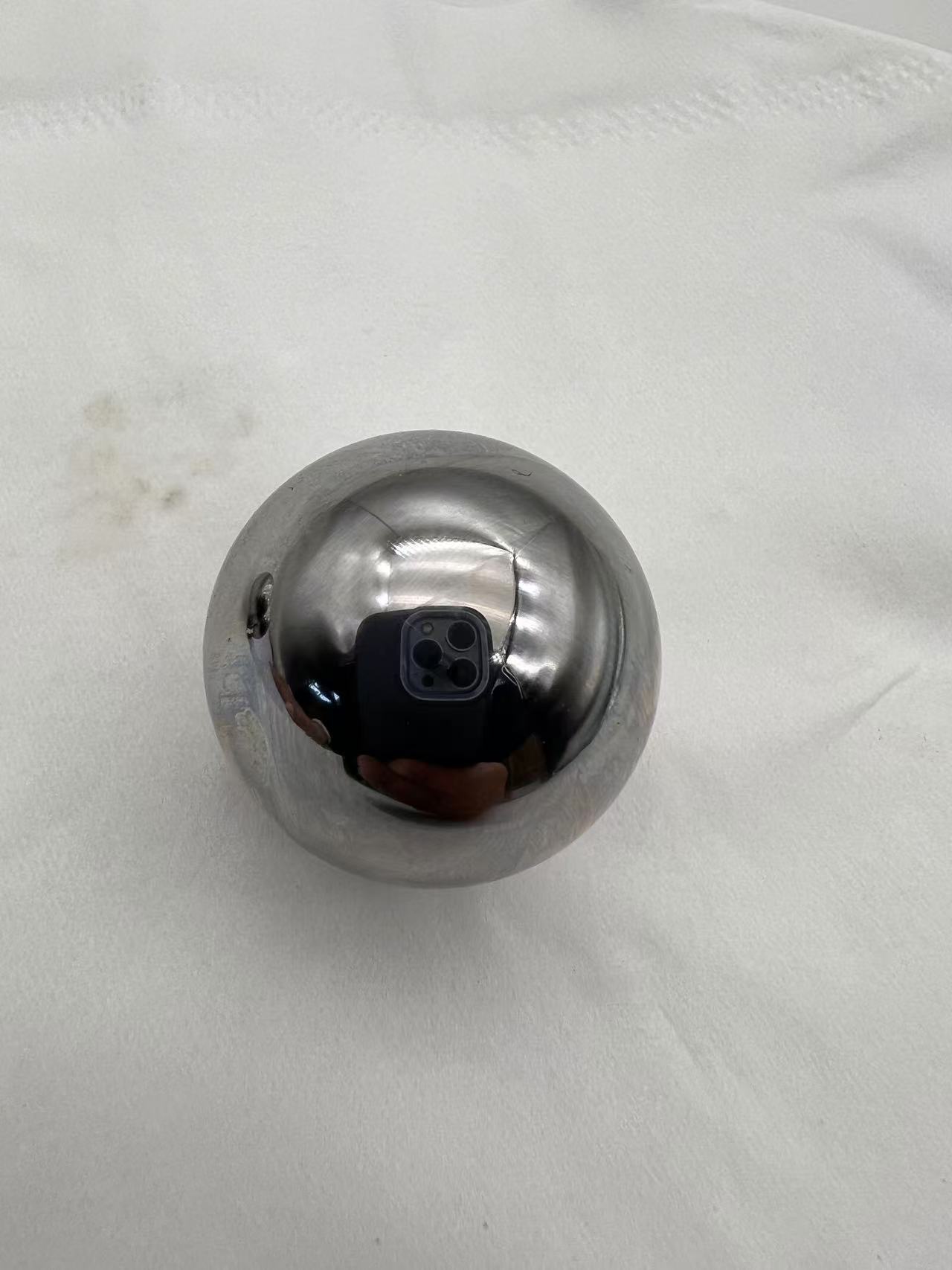
Precision steel balls are manufactured to stringent dimensional tolerances and surface finish standards. These balls are integral in reducing friction and enhancing the movement of components in various industrial applications, from automotive to aerospace. The grading system, such as G10 and G16, indicates the level of precision, with G10 being more precise than G16.
### G10 vs. G16 Precision Steel Balls
- **G10 Precision Steel Balls**: These balls have a tolerance of ±0.0001 inches and a smooth surface finish. Due to their high precision, G10 steel balls are often employed in applications where accuracy is paramount. They are commonly found in high-performance bearings, linear motion systems, and precision instruments, where even minute discrepancies can lead to performance degradation.
- **G16 Precision Steel Balls**: With a slightly looser tolerance of ±0.0002 inches, G16 balls are still highly effective for numerous applications. They are suitable for standard industrial uses, including general-purpose bearings and machinery where extreme precision is less critical.
### Applications and Benefits
The choice between G10 and G16 precision steel balls should be guided by the specific requirements of your application. G10 balls are ideal for high-load environments where precision is necessary to maintain operational efficiency and longevity. In contrast, G16 balls can be an excellent choice for applications that prioritize cost-effectiveness without sacrificing too much accuracy.
Additionally, precision steel balls contribute to reducing wear and tear on machinery, thereby enhancing the overall lifespan of the equipment. Proper selection and maintenance of these components can lead to improved performance, decreased downtime, and lower operational costs.
### Conclusion
In summary, the use of precision steel balls G10 and G16 plays a pivotal role in the functionality and efficiency of various industrial systems. By understanding their characteristics and applications, professionals in the industrial sector can make informed decisions that enhance productivity and equipment reliability. Whether you are working with high-performance applications requiring G10 precision or standard applications that benefit from G16, the selection of the right steel ball is crucial for achieving optimal results in your operational processes.
Precision steel balls are critical components utilized in a vast array of industrial applications, especially in the realm of bearings and related attachments. Among the commonly referenced grades of these steel balls are G10 and G16, which denote different levels of precision and quality. Understanding these specifications can significantly impact the performance and reliability of mechanical systems.
### What Are Precision Steel Balls?
Precision steel balls are manufactured to stringent dimensional tolerances and surface finish standards. These balls are integral in reducing friction and enhancing the movement of components in various industrial applications, from automotive to aerospace. The grading system, such as G10 and G16, indicates the level of precision, with G10 being more precise than G16.
### G10 vs. G16 Precision Steel Balls
- **G10 Precision Steel Balls**: These balls have a tolerance of ±0.0001 inches and a smooth surface finish. Due to their high precision, G10 steel balls are often employed in applications where accuracy is paramount. They are commonly found in high-performance bearings, linear motion systems, and precision instruments, where even minute discrepancies can lead to performance degradation.
- **G16 Precision Steel Balls**: With a slightly looser tolerance of ±0.0002 inches, G16 balls are still highly effective for numerous applications. They are suitable for standard industrial uses, including general-purpose bearings and machinery where extreme precision is less critical.
### Applications and Benefits
The choice between G10 and G16 precision steel balls should be guided by the specific requirements of your application. G10 balls are ideal for high-load environments where precision is necessary to maintain operational efficiency and longevity. In contrast, G16 balls can be an excellent choice for applications that prioritize cost-effectiveness without sacrificing too much accuracy.
Additionally, precision steel balls contribute to reducing wear and tear on machinery, thereby enhancing the overall lifespan of the equipment. Proper selection and maintenance of these components can lead to improved performance, decreased downtime, and lower operational costs.
### Conclusion
In summary, the use of precision steel balls G10 and G16 plays a pivotal role in the functionality and efficiency of various industrial systems. By understanding their characteristics and applications, professionals in the industrial sector can make informed decisions that enhance productivity and equipment reliability. Whether you are working with high-performance applications requiring G10 precision or standard applications that benefit from G16, the selection of the right steel ball is crucial for achieving optimal results in your operational processes.
News


Products
Contact us
Mobile/WhatsApp: +86-15194016333
E-Mail: xql@hczbbearing.com
Add: 611-12, No.17 Xinzhu Road, Licheng District, Jinan City, Shandong Province, China


Messages