

Precision Steel Balls in Action: G10 and G16 for Real-World Applications
Release time:
Jul 11,2026
Precision Steel Balls in Action: G10 and G16 for Real-World Applications
Table of Contents
1. Understanding Precision Steel Balls
2. The Importance of G10 and G16 Grades
3. Key Applications of G10 and G16 Precision Steel Balls
3.1 Automotive Industry
3.2 Aerospace Applications
3.3 Industrial Machinery
3.4 Medical Devices
4. Manufacturing Standards and Quality Control
5. Advantages of Using G10 and G16 Steel Balls
5.1 Enhanced Performance
5.2 Improved Longevity
6. Choosing the Right Steel Ball for Your Application
7. Frequently Asked Questions (FAQs)
8. Conclusion
1. Understanding Precision Steel Balls
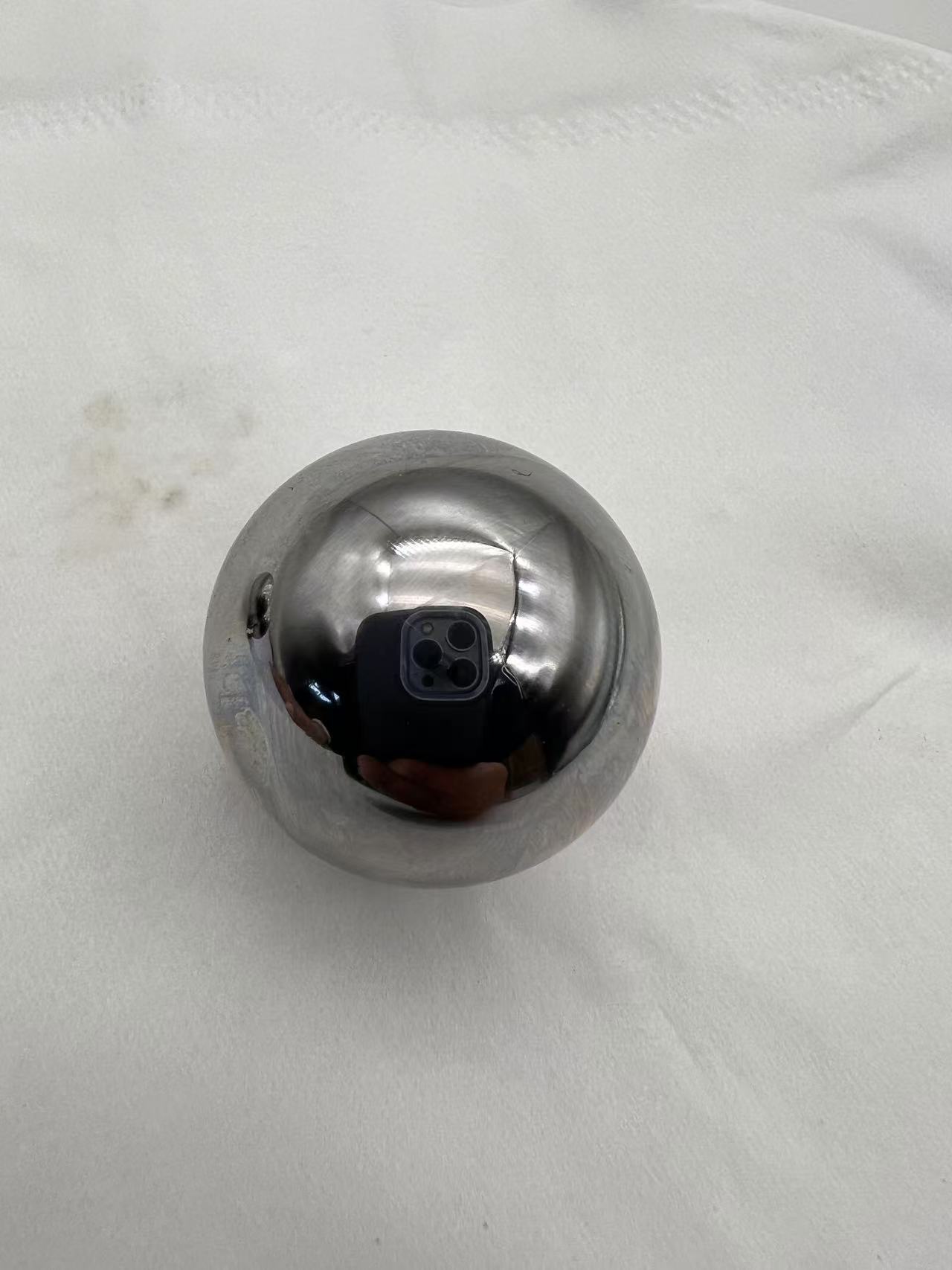
Precision steel balls are integral components used in a wide variety of mechanical systems. Their ability to minimize friction and wear makes them essential in applications that demand high levels of accuracy and reliability. These small yet powerful components are typically made from high-carbon steel, stainless steel, or other specialized alloys. Among the many grades available, G10 and G16 steel balls stand out due to their exceptional precision and performance characteristics.
2. The Importance of G10 and G16 Grades
The classification of precision steel balls largely hinges on their diameter tolerance and surface finish. G10 and G16 are two of the most commonly utilized grades in the industry.
- **G10 Steel Balls**: These are manufactured to extremely tight tolerances, typically within 10 millionths of an inch. This extreme precision makes G10 steel balls ideal for applications requiring a high level of accuracy.
- **G16 Steel Balls**: While still offering excellent precision, G16 steel balls come with looser tolerances compared to G10, making them suitable for applications where absolute precision is not as critical.
Understanding the distinctions between these grades is crucial for engineers and designers selecting the right components for their specific applications.
3. Key Applications of G10 and G16 Precision Steel Balls
Precision steel balls find use in a wide range of industries. Below, we delve into some of the major applications of G10 and G16 grades.
3.1 Automotive Industry
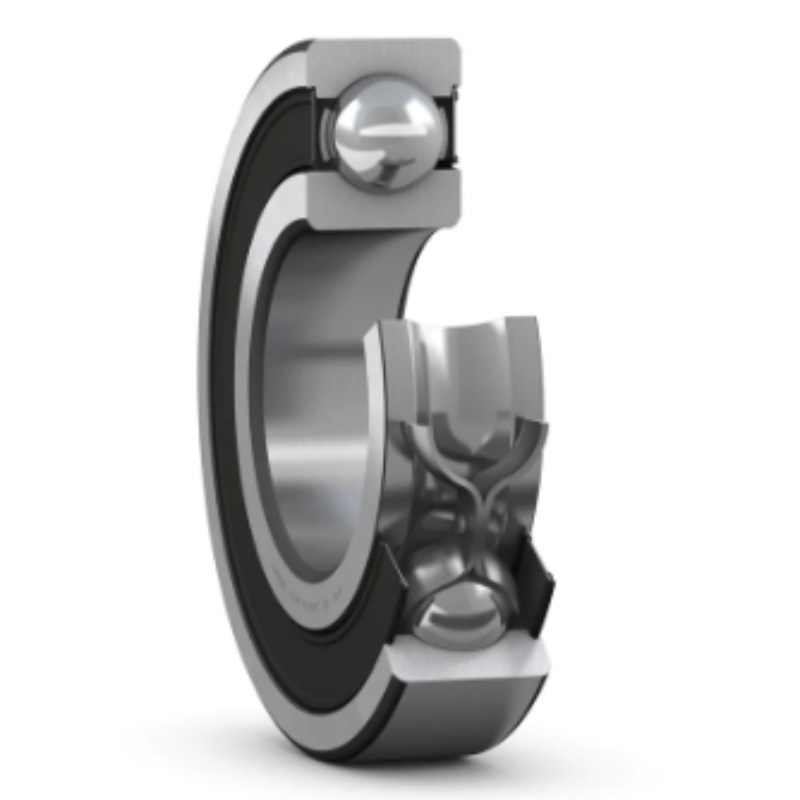
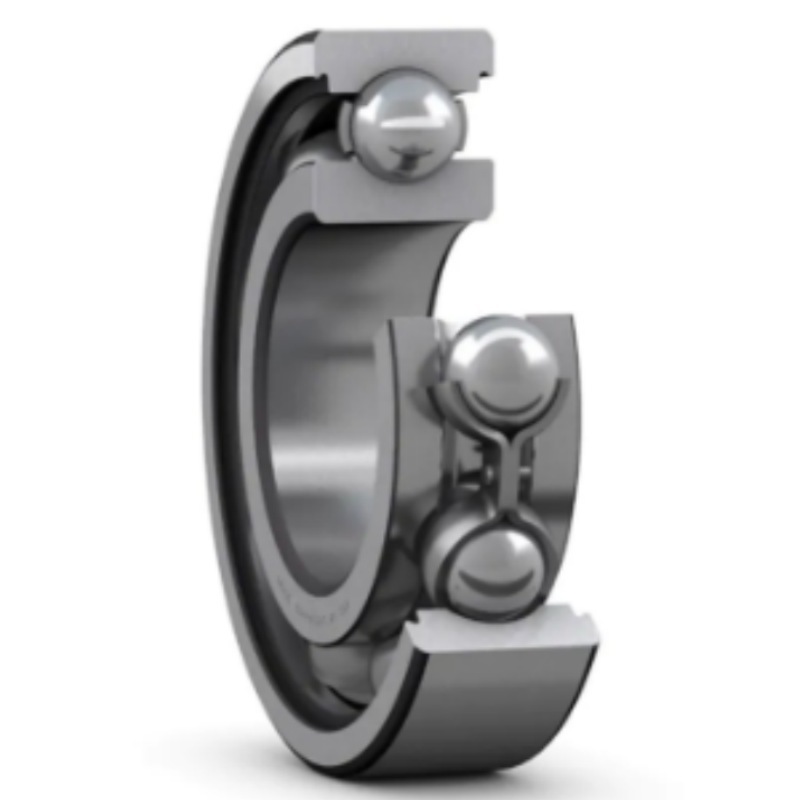
In the automotive sector, G10 and G16 precision steel balls are commonly used in bearings, suspension systems, and steering mechanisms. Their durability and resistance to wear enhance the performance and longevity of vehicles.
3.2 Aerospace Applications
The aerospace industry demands exceptionally high standards for reliability and performance. G10 steel balls are particularly favored in this sector for their precise dimensions and ability to withstand extreme conditions, which are critical for aircraft bearings and other essential components.
3.3 Industrial Machinery
In industrial machinery, G10 and G16 steel balls are integral to the design of pumps, conveyors, and gear assemblies. Their role in reducing friction helps improve operational efficiency and reduce maintenance costs.
3.4 Medical Devices
Precision steel balls are also vital in medical devices, where accuracy and reliability are paramount. G10 steel balls are frequently employed in equipment such as surgical instruments and imaging devices, ensuring precise movements and functionality.
4. Manufacturing Standards and Quality Control
The manufacturing of precision steel balls adheres to strict industry standards, ensuring their performance meets the required specifications. Organizations such as the American National Standards Institute (ANSI) and the International Organization for Standardization (ISO) provide guidelines that manufacturers must follow.
Quality control measures, including rigorous testing and inspection processes, are essential for maintaining consistency in size, shape, and surface finish. This attention to detail guarantees that G10 and G16 steel balls perform reliably in their intended applications.
5. Advantages of Using G10 and G16 Steel Balls
The selection of G10 and G16 precision steel balls brings numerous benefits to various applications.
5.1 Enhanced Performance
Both G10 and G16 grades provide reduced friction and increased efficiency in mechanical systems. The tighter tolerances associated with G10 balls lead to smoother operation and minimized wear, ultimately contributing to enhanced overall performance.
5.2 Improved Longevity
The durability of G10 and G16 steel balls allows for extended service life in demanding environments. This longevity translates into lower replacement costs and reduced downtime for machinery, making these components a wise investment for any industry.
6. Choosing the Right Steel Ball for Your Application
Selecting the appropriate grade of precision steel ball involves several considerations. Key factors include:
- **Application Requirements**: Assess the precision needed for your specific use case. If high accuracy is essential, G10 may be the better choice. For less critical applications, G16 may suffice.
- **Operating Conditions**: Consider the environment in which the steel balls will operate. Factors like temperature, load, and exposure to chemicals can influence the choice of material and grade.
- **Cost Considerations**: G10 steel balls typically come with a higher price tag due to their manufacturing complexity. Evaluate your budget alongside performance requirements to make an informed decision.
7. Frequently Asked Questions (FAQs)
What is the difference between G10 and G16 precision steel balls?
G10 steel balls have tighter tolerances and a finer surface finish compared to G16 steel balls, which are suitable for applications with less stringent precision needs.
How are precision steel balls manufactured?
Precision steel balls are manufactured through processes such as cold heading, heat treatment, and grinding to achieve the desired tolerances and surface finishes.
What industries use precision steel balls?
Precision steel balls are used across various industries, including automotive, aerospace, industrial machinery, and medical devices.
Why are G10 steel balls preferred in aerospace applications?
G10 steel balls are preferred in aerospace due to their high precision and ability to withstand extreme operating conditions, ensuring reliability and safety.
How do I maintain the longevity of precision steel balls?
Proper lubrication, regular inspection, and maintenance of the surrounding systems can significantly enhance the longevity of precision steel balls.
8. Conclusion
G10 and G16 precision steel balls are not just components; they are vital parts of the intricate machinery that drives various industries forward. Understanding the differences between these grades, along with their applications and manufacturing standards, equips engineers and designers with the knowledge to make informed decisions. By choosing the right precision steel balls, businesses can enhance performance, optimize efficiency, and ensure longevity in their mechanical systems. Engage with these precision components for your next project and experience the impact of quality and precision in motion.
Previous
News

Products
Contact us
Mobile/WhatsApp: +86-15194016333
E-Mail: xql@hczbbearing.com
Add: 611-12, No.17 Xinzhu Road, Licheng District, Jinan City, Shandong Province, China


Messages