

Understanding Precision Steel Balls G10 and G16: Key Components in Industrial Applications
Release time:
May 23,2026
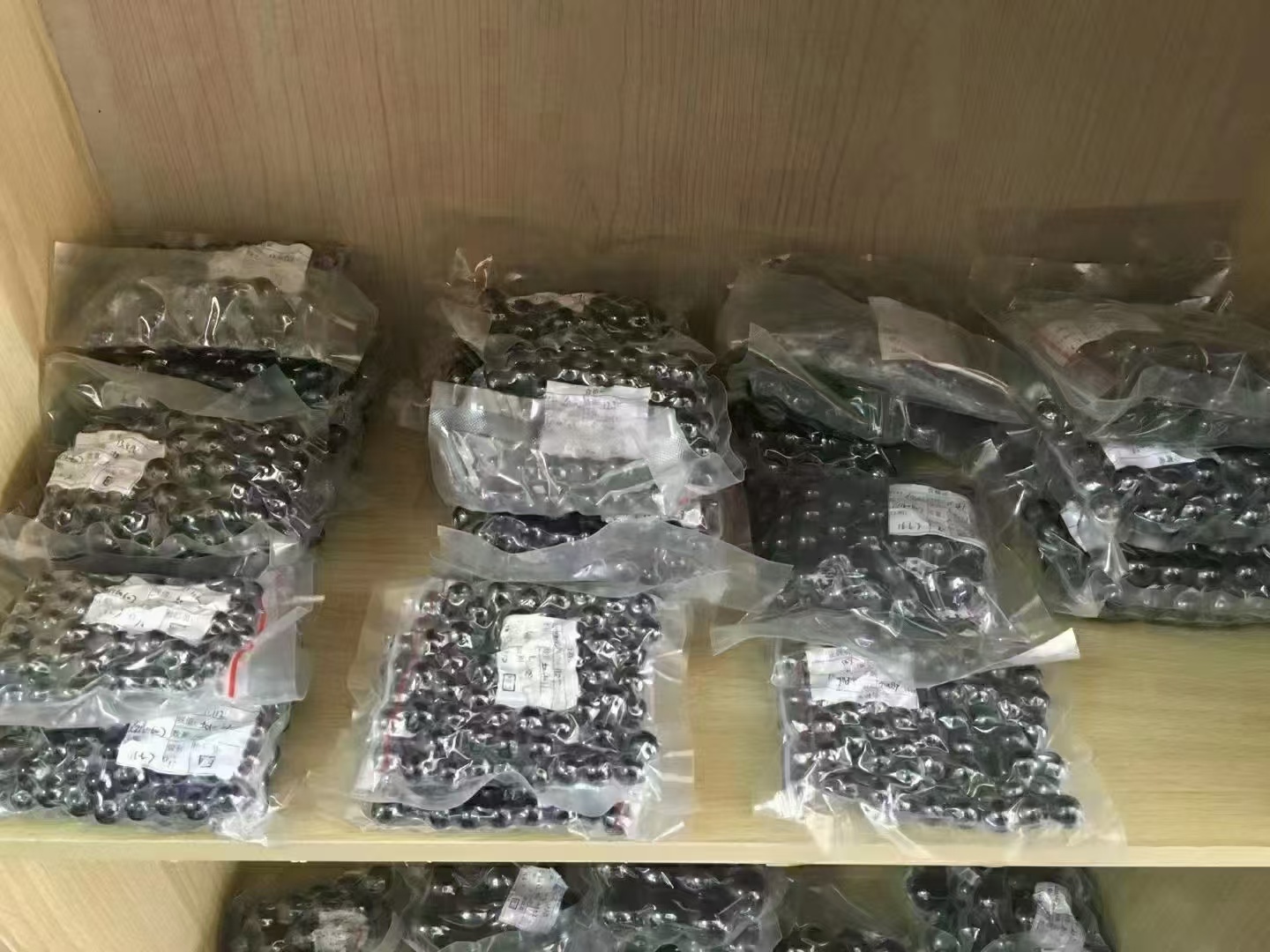
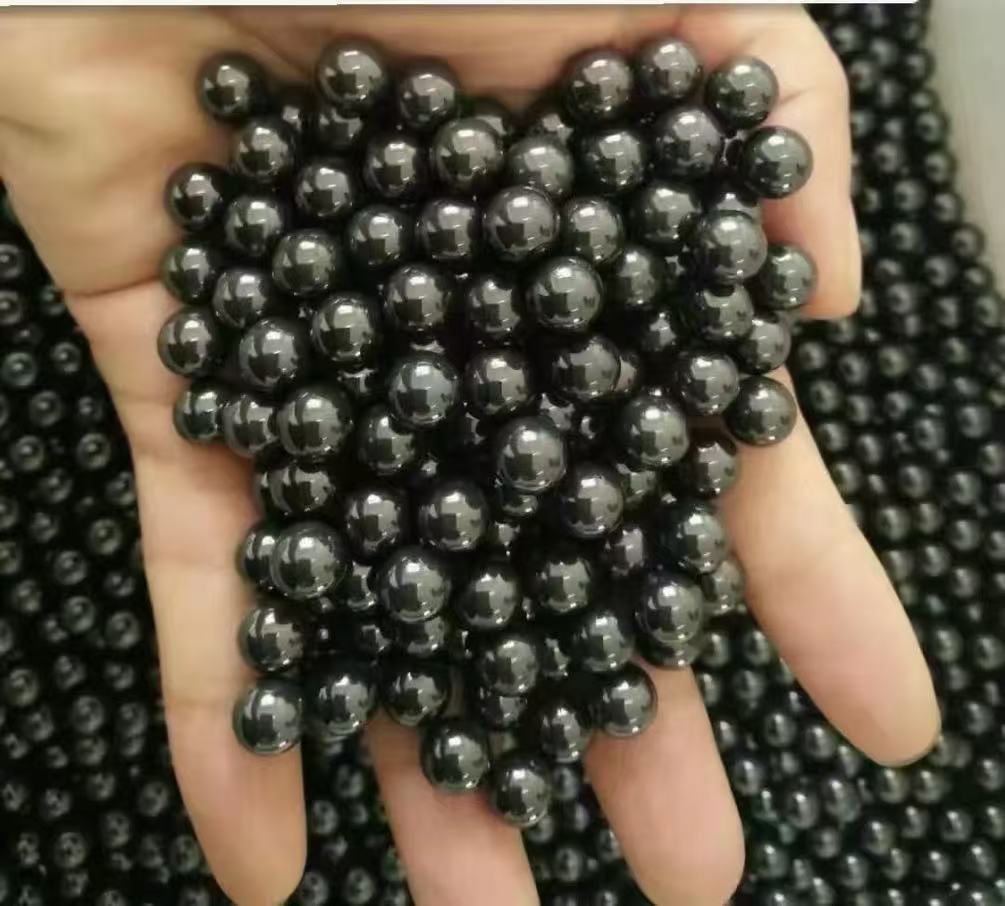
Precision steel balls, particularly G10 and G16 grades, play a crucial role in various industrial equipment, especially in the context of bearing accessories and other bearing components. These steel balls are manufactured to stringent specifications, ensuring high levels of accuracy and consistency, which are essential for optimal performance in mechanical systems.
### What Are G10 and G16 Precision Steel Balls?
The designation G10 and G16 refers to the tolerance grades of the precision steel balls. In the case of G10, the balls have a tolerance of ±0.01 mm, while G16 has a tolerance of ±0.016 mm. This means that G10 balls are typically more precise than G16 balls, making G10 suitable for high-speed and high-precision applications where minimal deviation is critical. G16, while slightly less precise, is still appropriate for many applications where the mechanical requirements are not as stringent.
### Manufacturing Process
The manufacturing of precision steel balls involves several key steps, including material selection, shaping, grinding, and polishing. High-carbon chrome steel is often used due to its excellent hardness and wear resistance. The balls are formed using a process called cold heading, followed by heat treatment to enhance their mechanical properties. Once the balls are formed, they undergo grinding and lapping processes to achieve the required dimensional accuracy. Finally, a polishing phase is employed to ensure a smooth surface finish, which is vital in reducing friction during operation.
### Importance in Industrial Applications
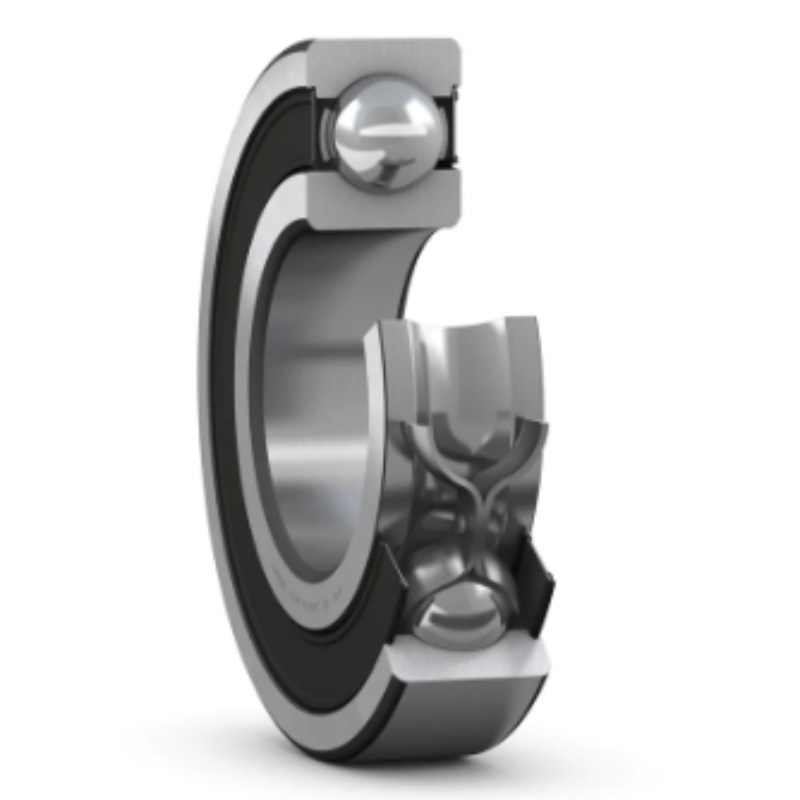
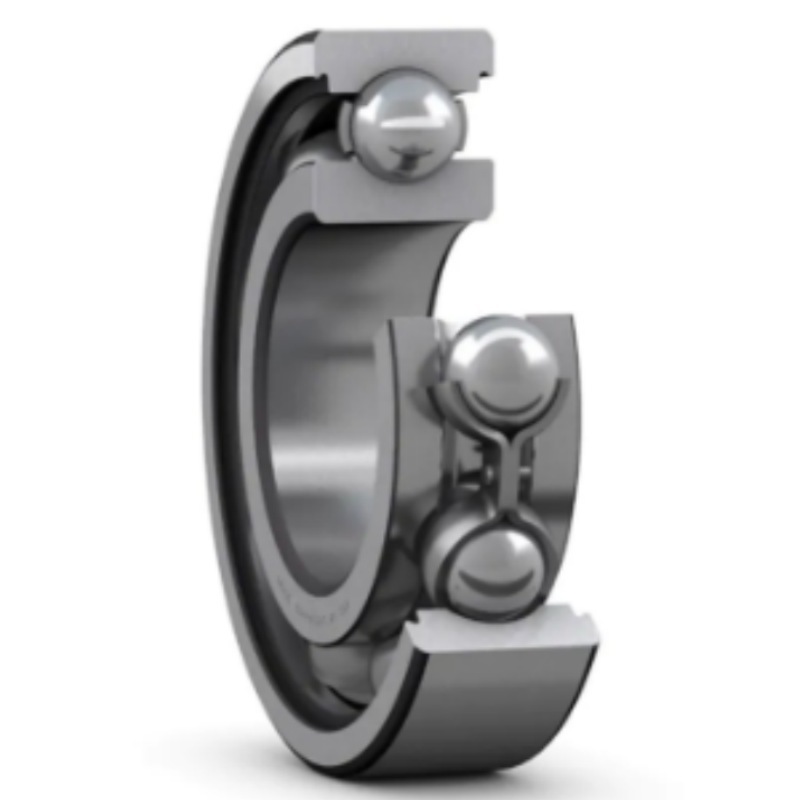
Precision steel balls are integral to the performance and longevity of various mechanical systems. They are commonly used in ball bearings, which facilitate smooth rotational motion in machinery. In applications where precision and low friction are paramount—such as in electric motors, automotive components, and aerospace technology—G10 balls are often the preferred choice. Conversely, G16 balls may be used in less critical applications where cost efficiency is also a consideration.
Moreover, due to their uniformity and high strength, these steel balls contribute to the overall reliability of the bearing assemblies. By reducing wear and tear, they enhance service life and minimize maintenance requirements, thereby improving operational efficiency.
### Conclusion
Understanding the specifications and applications of G10 and G16 precision steel balls is essential for professionals in the industrial sector. These components not only enhance the performance of bearing systems but also contribute to the overall efficiency and reliability of machinery. By selecting the appropriate grade of precision steel ball based on application needs, engineers and technicians can ensure optimal performance and longevity of their equipment.
### What Are G10 and G16 Precision Steel Balls?
The designation G10 and G16 refers to the tolerance grades of the precision steel balls. In the case of G10, the balls have a tolerance of ±0.01 mm, while G16 has a tolerance of ±0.016 mm. This means that G10 balls are typically more precise than G16 balls, making G10 suitable for high-speed and high-precision applications where minimal deviation is critical. G16, while slightly less precise, is still appropriate for many applications where the mechanical requirements are not as stringent.
### Manufacturing Process
The manufacturing of precision steel balls involves several key steps, including material selection, shaping, grinding, and polishing. High-carbon chrome steel is often used due to its excellent hardness and wear resistance. The balls are formed using a process called cold heading, followed by heat treatment to enhance their mechanical properties. Once the balls are formed, they undergo grinding and lapping processes to achieve the required dimensional accuracy. Finally, a polishing phase is employed to ensure a smooth surface finish, which is vital in reducing friction during operation.
### Importance in Industrial Applications
Precision steel balls are integral to the performance and longevity of various mechanical systems. They are commonly used in ball bearings, which facilitate smooth rotational motion in machinery. In applications where precision and low friction are paramount—such as in electric motors, automotive components, and aerospace technology—G10 balls are often the preferred choice. Conversely, G16 balls may be used in less critical applications where cost efficiency is also a consideration.
Moreover, due to their uniformity and high strength, these steel balls contribute to the overall reliability of the bearing assemblies. By reducing wear and tear, they enhance service life and minimize maintenance requirements, thereby improving operational efficiency.
### Conclusion
Understanding the specifications and applications of G10 and G16 precision steel balls is essential for professionals in the industrial sector. These components not only enhance the performance of bearing systems but also contribute to the overall efficiency and reliability of machinery. By selecting the appropriate grade of precision steel ball based on application needs, engineers and technicians can ensure optimal performance and longevity of their equipment.
News


Products
Contact us
Mobile/WhatsApp: +86-15194016333
E-Mail: xql@hczbbearing.com
Add: 611-12, No.17 Xinzhu Road, Licheng District, Jinan City, Shandong Province, China


Messages